2026-01-23
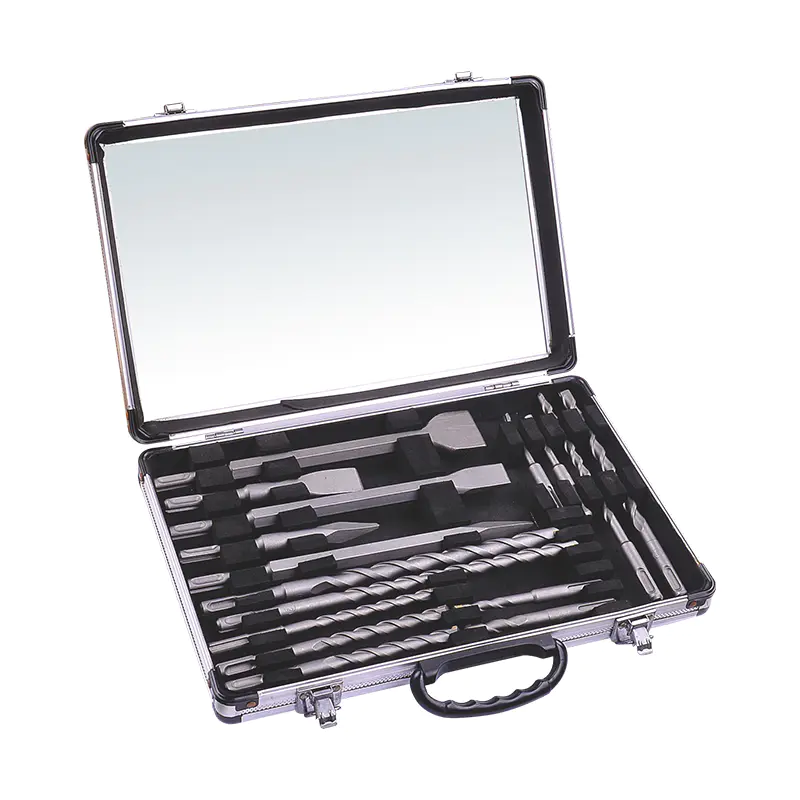
When selecting components from a Hammer Drill Bit Factory, one of the important design features to consider is the shank type. The shank—the part of the bit that fits into the drill chuck or tool holder—plays a major role in how effectively power is transmitted from the tool to the bit. Variations such as SDS, straight shank, and hex shank each influence stability, ease of use, torque transfer, and overall user experience.
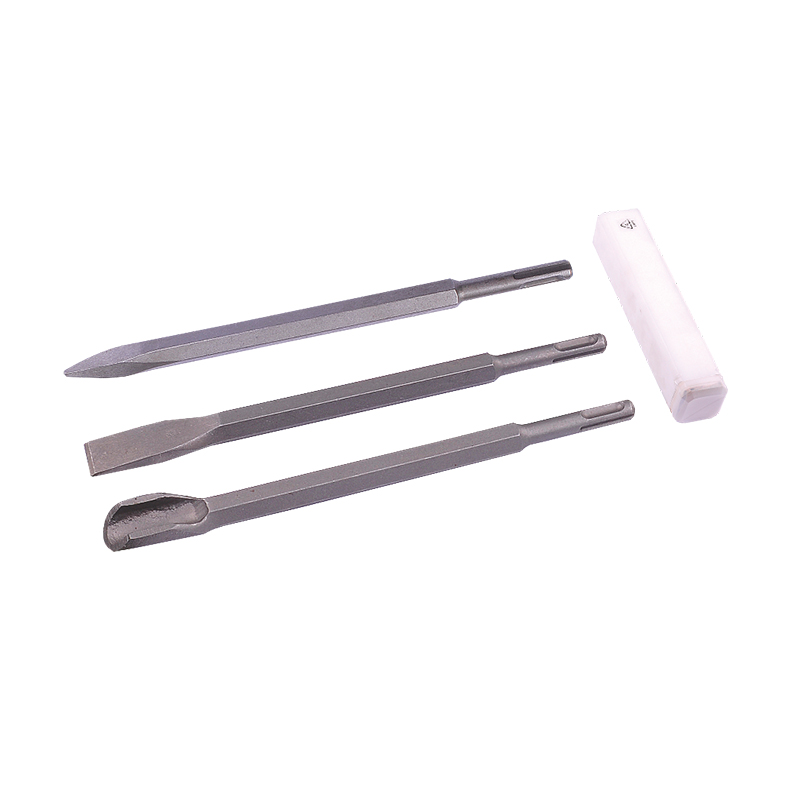
SDS (Slotted Drive System) shanks are widely used in rotary hammer drills due to their efficient power transfer and secure engagement. The design features grooves that lock into the tool’s chuck, allowing the bit to move back and forth slightly while maintaining a strong grip. This movement is essential for rotary hammer action, where the bit both rotates and hammers simultaneously. The benefit of an SDS shank is its ability to handle high-impact drilling in masonry, concrete, and stone without slipping or requiring frequent retightening. Users often appreciate how easy it is to change SDS bits quickly, which enhances workflow on construction sites. However, this shank type is specific to compatible tools, so it is not as versatile in standard drill chucks without an adapter.
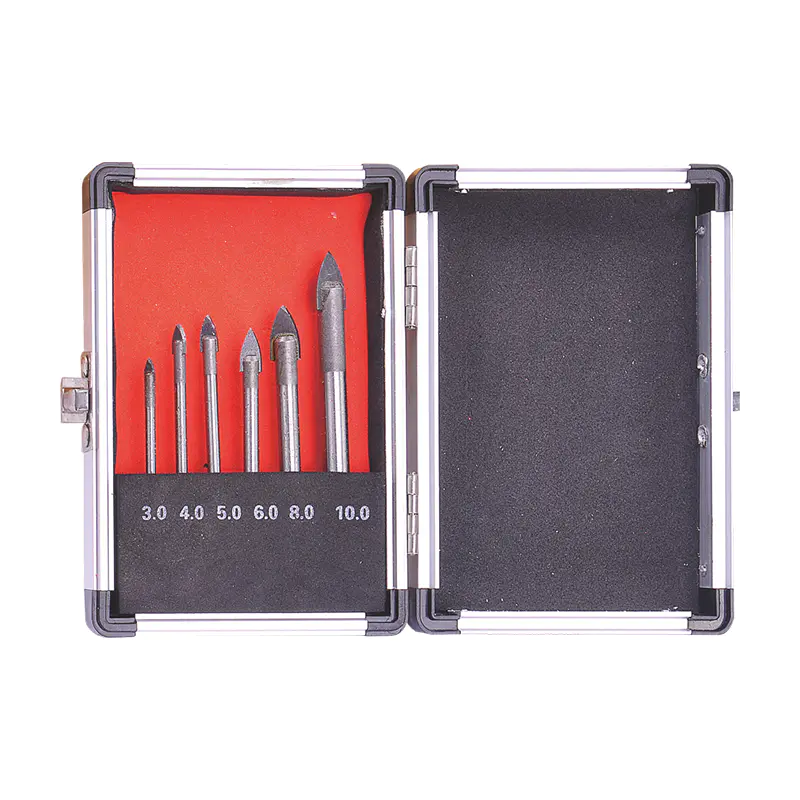
Straight shank drill bits are among the common and versatile options available. These bits fit into standard chucks on a wide range of drills, from corded models to compact cordless units. For many users, the simplicity of straight shanks makes them ideal for general-purpose drilling in wood, metal, plastic, and other materials. They are easy to insert and tighten using a keyless or keyed chuck, and they provide reliable performance in applications that do not involve aggressive hammering. The trade-off is that straight shanks can be less effective in heavy-duty hammer drilling, where the impact force may cause the bit to slip or bind in the chuck. For drilling into concrete with a straight shank, users often need to rely on additional accessories like adapters or choose bits with enhanced chuck grip surfaces to improve stability.
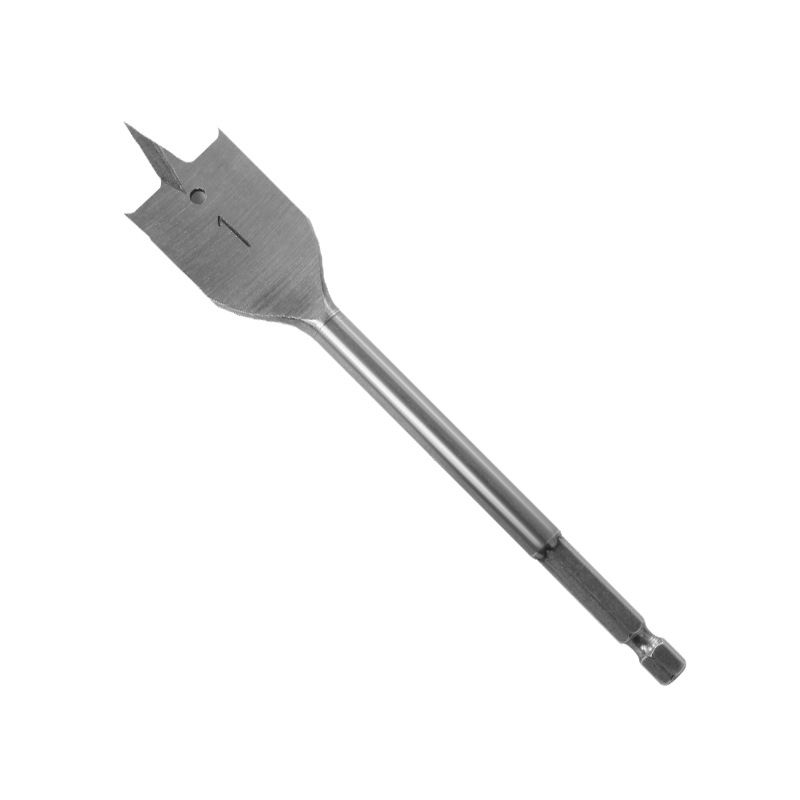
Hex shank bits are designed with a six-sided profile that prevents rotation within the drill chuck. This feature makes them particularly useful in impact drivers and quick-change systems, where fast bit swaps are a priority. The positive grip provided by the hex shape reduces the likelihood of slippage, especially when drilling into tough or dense materials. For professionals who frequently switch between drilling and driving tasks, hex shanks offer noticeable convenience. They also provide good torque transfer, making them suitable for demanding applications. However, like SDS shanks, hex shanks require a compatible chuck or adapter, meaning they are not universally applicable across all drill types without additional components.
The shank design of a drill bit may seem like a minor detail, but it has a profound effect on usability and effectiveness. Whether sourced from a Hammer Drill Bit Factory or a general hardware supplier, understanding the strengths and limitations of SDS, straight, and hex shanks ensures that users select the right tool for their needs. By matching shank type to drilling conditions and tool compatibility, operators can achieve better accuracy, faster work, and a more comfortable experience overall.
KEEP IN ToUCH

Rongcheng specializes in manufacturing and exporting wood planer bits, auger bits, shovel bits, spade bits, chisels, hammer bits and carbide, etc.
contact us
Address: Shangbutou, Qingjiang, Yueqing, Zhejiang, China
Tel: +86-577-62271200
FAX: +86-577-62276882
E-mail: [email protected]
Follow us

Carbide Hammer Drill Tools Manufacturer

 English
 русский
 Español
 中文简体
中文简体