2026-01-27
One of the common challenges when drilling glass is bit walk, a phenomenon where the drill bit slides or skids across the surface before it begins to cut. This issue can compromise precision, damage the workpiece, or even cause cracks and breakage in delicate materials. Proper techniques and equipment are essential to prevent this problem. Glass Drill Bit Factory designs often take this into account, offering specialized tip geometries and shank designs that help reduce the tendency of the bit to wander.
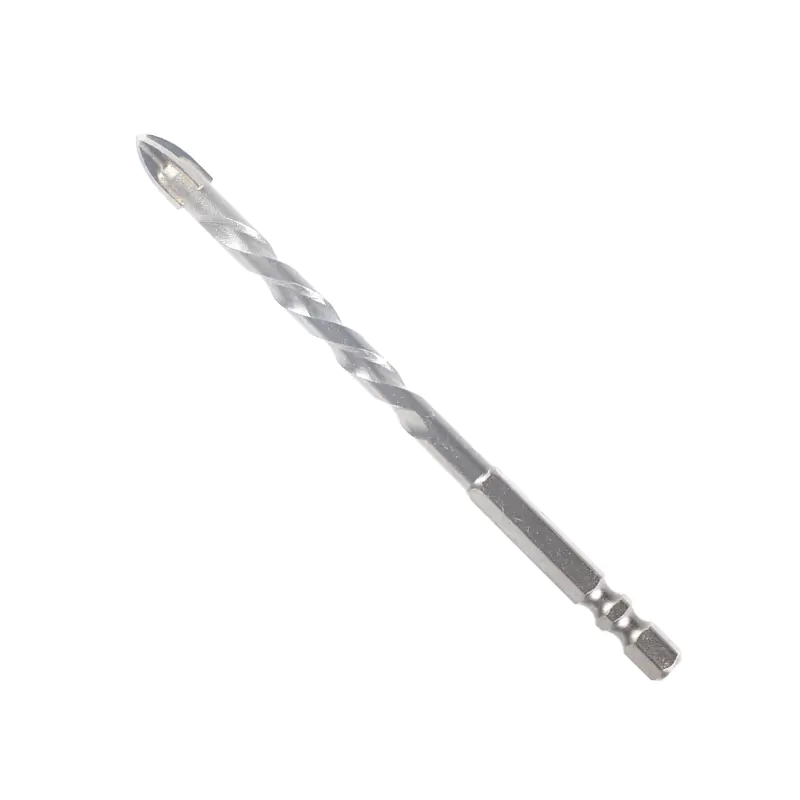
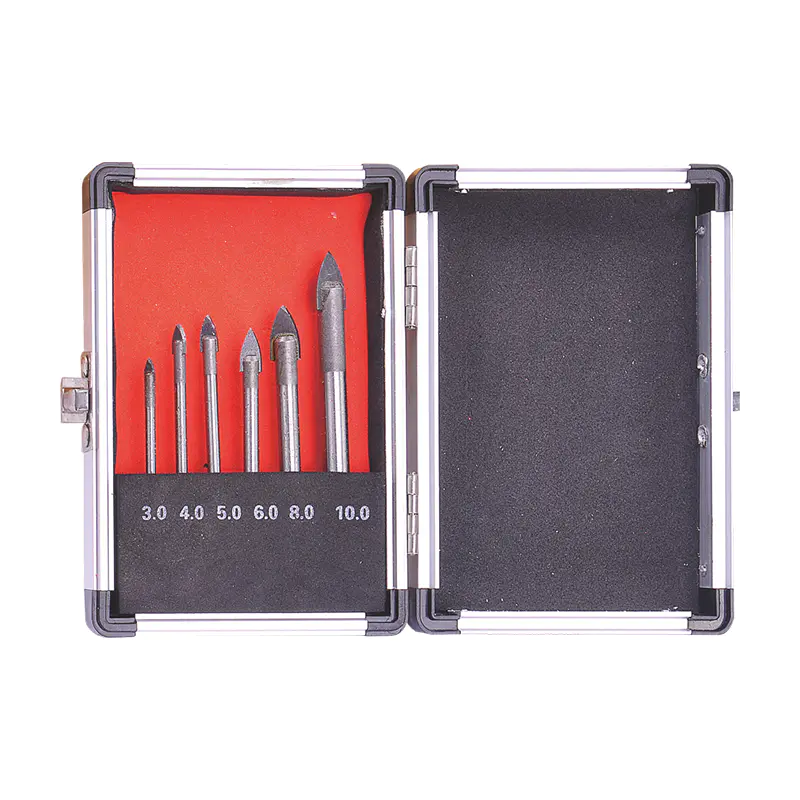
The shape of the drill tip is critical in controlling bit walk. Many glass drill bits feature a spear-point or carbide-tipped design, which provides a sharp initial contact point that grips the surface. A well-designed tip reduces lateral movement and allows the bit to begin cutting immediately. For beginners or delicate applications, choosing bits with a pronounced center point or a guide tip can make a significant difference in preventing the bit from slipping. Factory-made glass drill bits are often precisely ground to maintain symmetry and sharpness, which is essential for consistent performance.
Another effective strategy is the use of drilling guides or templates. By securing a template or jig over the drilling location, users can constrain the bit’s starting position and reduce the risk of wandering. Simple techniques include masking the area with tape or using a guide block with a pre-drilled hole. These tools provide physical boundaries that keep the drill bit aligned with the intended path. For larger projects, precision drilling jigs provided by professional suppliers ensure uniform results and reduce the likelihood of bit walk across multiple pieces of glass.
Controlling the amount of downward pressure applied to the bit is crucial. Excessive force can cause the bit to skate across the surface or crack the glass, while too little pressure may prevent penetration. The ideal technique involves steady, moderate pressure combined with a slow drill speed. Many users find that beginning with a light touch to create a small indentation and then gradually increasing pressure helps the bit “bite” without sliding. This technique works well in combination with a properly designed drill tip to stabilize the bit during initial contact.
Using water or a suitable lubricant while drilling glass serves two purposes: reducing heat buildup and reducing friction. Applying a small amount of water at the drilling site allows the bit to cut smoothly, reducing the risk of surface slipping. Cooling also prevents the bit from becoming too hot, which can degrade its cutting edge and increase the likelihood of bit walk. Some professional setups from Glass Drill Bit Factory incorporate water-feed systems or wet drilling trays to ensure continuous lubrication and maintain stable drilling conditions.
Stabilizing the glass is another essential factor in preventing bit walk. The workpiece should be supported on a flat, non-slip surface and clamped gently but securely. Using foam pads or rubber mats beneath the glass can reduce vibration and lateral movement, which are common contributors to bit skidding. Ensuring that the material does not shift during drilling maintains alignment and protects both the bit and the glass from damage.
Bit walk is a common challenge when working with glass, but it can be effectively minimized through careful selection of tip design, proper use of guides, controlled pressure, lubrication, and secure workpiece setup. Glass Drill Bit Factory often incorporates these considerations into its products, offering features that reduce the tendency to wander. By combining well-engineered tools with proper drilling techniques, users can achieve precise, clean holes while reducing the risk of errors and damage.
KEEP IN ToUCH

Rongcheng specializes in manufacturing and exporting wood planer bits, auger bits, shovel bits, spade bits, chisels, hammer bits and carbide, etc.
contact us
Address: Shangbutou, Qingjiang, Yueqing, Zhejiang, China
Tel: +86-577-62271200
FAX: +86-577-62276882
E-mail: [email protected]
Follow us

Carbide Hammer Drill Tools Manufacturer

 English
 русский
 Español
 中文简体
中文简体