2026-01-16
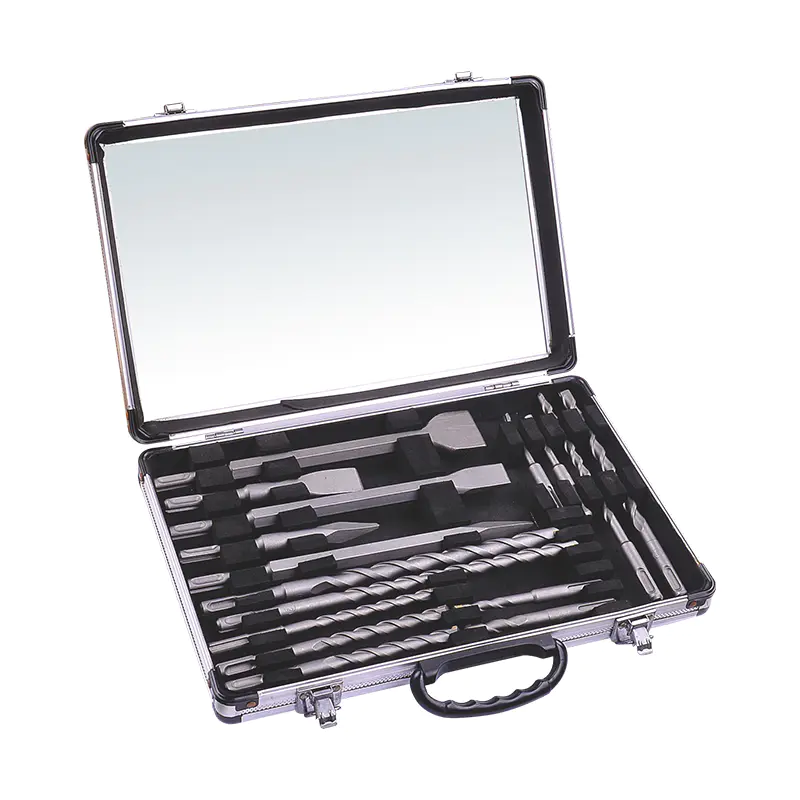
Choosing the correct drill bit length and structure is essential when working with a product from an SDS Drill Factory, whether drilling shallow holes for anchors or deep holes for heavy-duty construction. SDS systems are prized for their secure bit engagement and powerful hammer drilling capabilities, but the performance of the tool greatly depends on selecting the appropriate accessories.
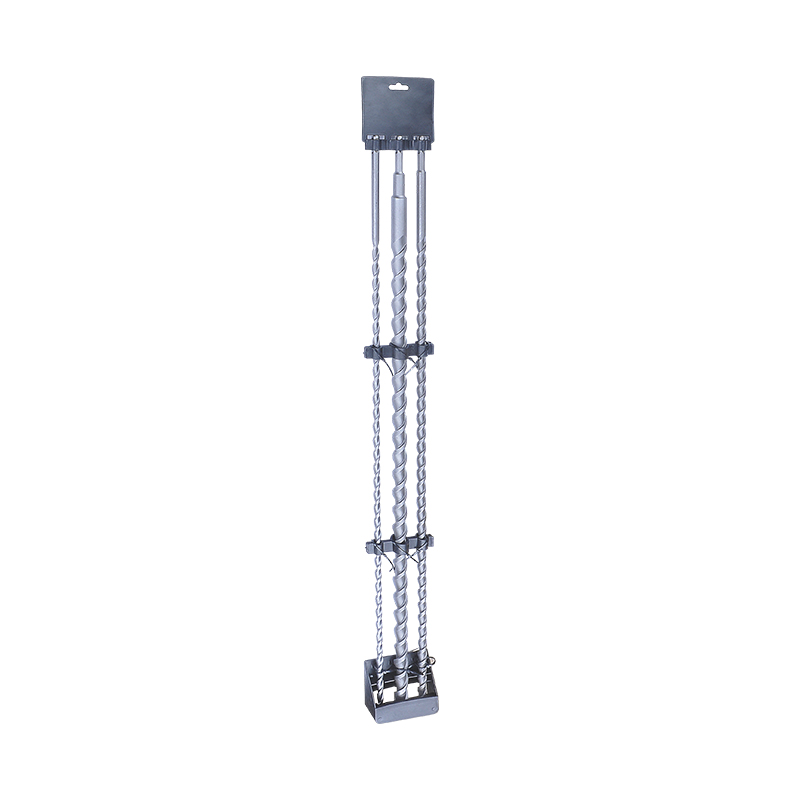
Shallow hole drilling typically involves tasks such as installing wall anchors, mounting fixtures, or preparing pilot holes in masonry. For these applications, shorter drill bits are generally more effective because they offer greater rigidity and control. A shorter bit resonates less during operation, decreasing the risk of wobble or deviation that can compromise hole accuracy. In addition to length, the structural aspect plays a role; bits designed with standard flute geometry and a well-balanced tip improve chip evacuation and reduce heat buildup. This combination of controlled length and proper structure ensures that the drill stays on course with effort, making shallow drilling tasks faster and more reliable.
Deep hole drilling presents a different set of challenges. As depth increases, so do concerns about chip removal, bit deflection, and tool wear. Drill bits meant for deeper holes are typically longer and may incorporate specialized flute designs, such as spiral or parabolic flutes, that facilitate efficient chip extraction. Without efficient chip evacuation, debris can clog the hole, increasing friction and heat, which shortens bit life and reduces drilling efficiency. Deep hole bits often feature reinforced shanks and enhanced core thickness to counteract bending forces that become more pronounced over extended depths. These structural reinforcements help maintain bit stability and improve accuracy, even when drilling dozens of inches deep.
The ideal drill bit for any given job balances length and structural design to match the drilling depth. For moderate depths, a mid-length bit with standard flute geometry might suffice, providing enough reach without sacrificing stability. However, for deeper tasks, operators should consider bits specifically engineered with features like variable pitch flutes or stepped diameters that help mitigate vibration and improve chip flow. These design elements prevent the drill from binding and allow operators to maintain a consistent feed rate, which is crucial when drilling through materials like reinforced concrete or thick brick walls.
In addition to length, structure plays a significant role in performance. Bits designed with a split-point tip or carbide-tipped cutting edges cut into material more efficiently, reducing start-up wandering and improving penetration rates. Enhanced flute profiles reduce resistance and help expel dust and chips, preventing the bit from overheating. For deep hole drilling, some bits feature deep gullets that allow more space for debris to escape, improving drilling speed and reducing wear. When selecting bits for either shallow or deep holes, operators should evaluate how these structural factors align with the specific demands of their tasks.
When choosing drill bits for shallow versus deep holes, professionals should start by defining the exact depth required and the material being drilled. Harder materials like reinforced concrete or dense stone may necessitate bits with good tip strength and more aggressive flute designs. Operators should also consider the drill’s power and hammer function, ensuring that the bit’s length does not exceed the tool’s capability to maintain speed and torque. Regular inspection and replacement of worn bits also contribute to consistent performance, as dull or damaged bits can hinder drilling efficiency regardless of structural design.
KEEP IN ToUCH

Rongcheng specializes in manufacturing and exporting wood planer bits, auger bits, shovel bits, spade bits, chisels, hammer bits and carbide, etc.
contact us
Address: Shangbutou, Qingjiang, Yueqing, Zhejiang, China
Tel: +86-577-62271200
FAX: +86-577-62276882
E-mail: [email protected]
Follow us

Carbide Hammer Drill Tools Manufacturer

 English
 русский
 Español
 中文简体
中文简体