2026-01-09
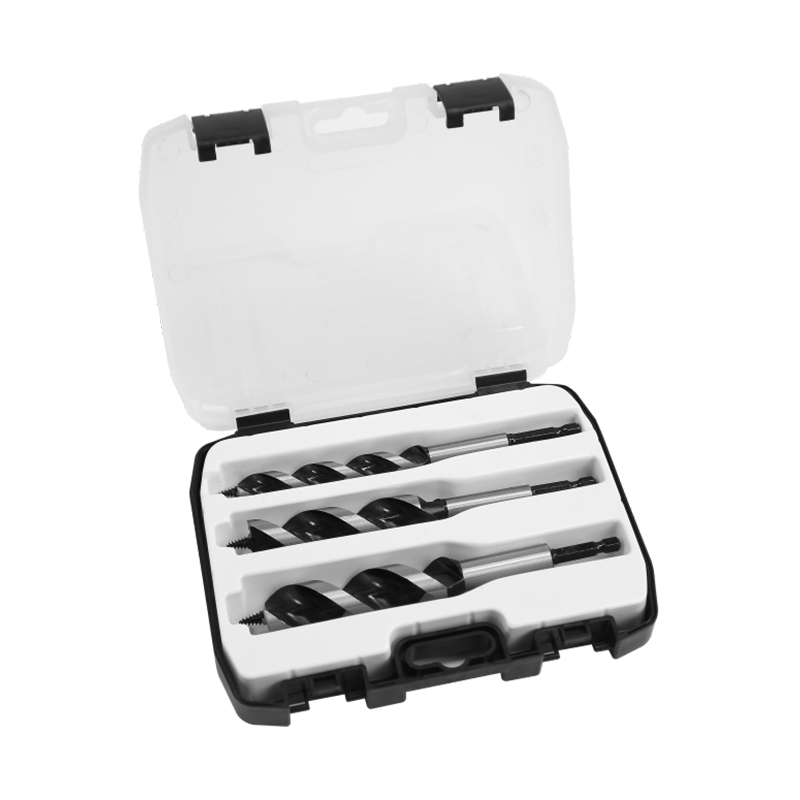
When selecting a Wood Drill Bit, material choice plays a critical role in determining cutting efficiency, durability, and overall drilling performance. While design and sharpness are important, the metal used to manufacture the drill bit directly affects how it handles heat, resists wear, and performs on different types of wood. Among the common materials are high-speed steel and cobalt steel, each offering distinct advantages depending on application needs.
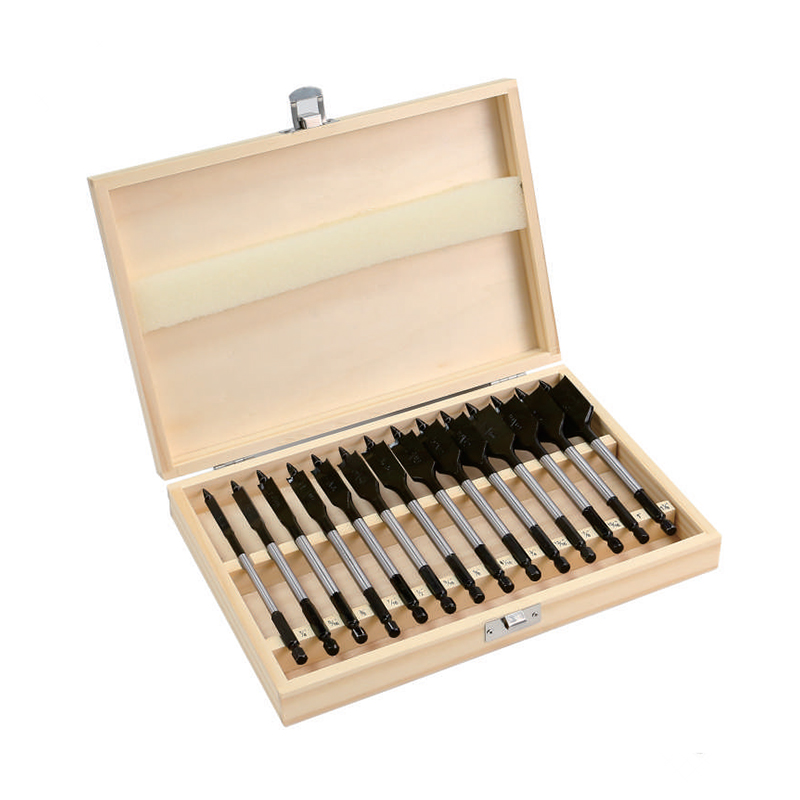
High-speed steel, often abbreviated as HSS, is one of the widely used materials for wood drill bits. Its popularity comes from its balanced combination of hardness, toughness, and affordability. HSS drill bits maintain their cutting edge at relatively high temperatures, which allows them to drill smoothly without rapid dulling under normal conditions. For softwoods, plywood, and many hardwoods, HSS provides reliable performance and clean hole finishes. Another advantage of high-speed steel is its flexibility, which reduces the risk of snapping under moderate pressure or slight misalignment. However, under prolonged use or high friction, HSS bits may lose sharpness faster compared to more heat-resistant alloys.
Cobalt steel drill bits are alloyed with a percentage of cobalt, typically ranging from 5% to 8%, which significantly improves heat resistance and hardness. This material excels in applications where extended drilling time or high friction is involved. In woodworking, cobalt steel bits perform particularly well when drilling dense hardwoods or engineered wood materials that generate more heat. Their good hardness allows them to retain sharp cutting edges longer than standard HSS bits. The trade-off, however, is reduced flexibility, which means cobalt bits can be more brittle if excessive force is applied. Proper technique and stable drilling conditions are essential to fully benefit from their performance advantages.
Material choice directly influences edge retention, which determines how long a drill bit stays sharp. High-speed steel offers adequate edge life for general woodworking but may require more frequent sharpening or replacement during heavy use. Cobalt steel, on the other hand, provides longer-lasting sharpness, reducing downtime and improving efficiency in demanding tasks. Consistent edge retention also causes cleaner holes with less tear-out, especially when precision is required. For users who value consistent results over extended periods, material durability becomes a deciding factor.
Another important aspect of material selection is cost-effectiveness. HSS drill bits are generally more affordable and versatile, making them ideal for beginners or users who work with a wide variety of wood types. Cobalt steel bits typically come at a higher price point, reflecting their enhanced performance and durability. While the initial investment is greater, their longer service life can offer better value for professionals who drill frequently. Choosing between these materials often depends on balancing budget, workload intensity, and desired longevity.
The material of a Wood Drill Bit has a significant impact on its performance, affecting heat resistance, durability, and cutting precision. High-speed steel offers flexibility, affordability, and reliable results for most woodworking applications, while cobalt steel delivers good hardness and longevity for more demanding tasks. By understanding how these materials behave under different conditions, users can select drill bits that match their specific needs, ensuring efficient drilling, cleaner results, and a longer tool lifespan.
KEEP IN ToUCH

Rongcheng specializes in manufacturing and exporting wood planer bits, auger bits, shovel bits, spade bits, chisels, hammer bits and carbide, etc.
contact us
Address: Shangbutou, Qingjiang, Yueqing, Zhejiang, China
Tel: +86-577-62271200
FAX: +86-577-62276882
E-mail: [email protected]
Follow us

Carbide Hammer Drill Tools Manufacturer

 English
 русский
 Español
 中文简体
中文简体