2026-01-02
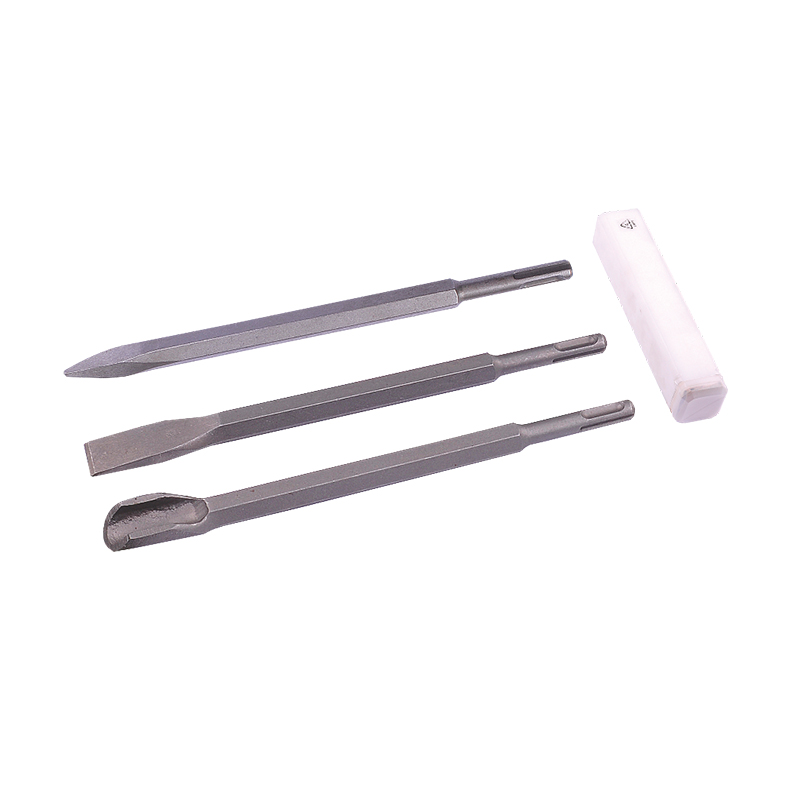
The SDS Plus Hammer Drill is a powerful tool commonly used for drilling into concrete, masonry, and stone. Its rotary hammer mechanism allows it to penetrate hard materials efficiently. However, improper use can cause cracks or fractures in the material, reducing structural integrity and potentially causing safety hazards. Understanding how to use this tool correctly is essential for both professional contractors and DIY enthusiasts who want to achieve clean, precise results.
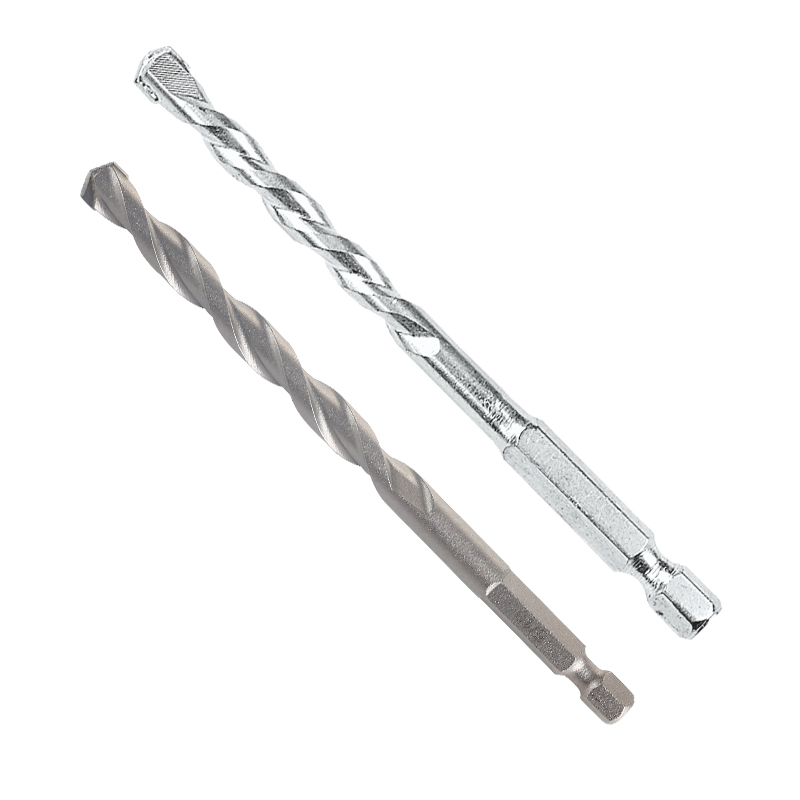
The one step in preventing material cracks is selecting the correct SDS Plus Hammer Drill bit for the job. Using a bit that is too small for the desired hole can cause concentrated stress and increase the likelihood of cracking. Conversely, an oversized bit can create uneven pressure and damage the surrounding material. Ensure that the drill bit is sharp, high-quality, and designed for the specific type of material you are working with. For concrete or reinforced masonry, carbide-tipped bits are recommended for durability and precision.
How the hammer drill is handled plays a significant role in avoiding cracks. Always start drilling at a low speed to create a pilot hole, gradually increasing pressure and speed as the bit penetrates deeper. Avoid applying excessive force, as the SDS Plus Hammer Drill is designed to use its hammering action rather than brute strength. Let the tool do the work and maintain a steady, perpendicular angle to the surface to distribute pressure evenly. Drilling at an angle or with uneven pressure can cause chips or fractures to propagate around the hole.
High friction and heat buildup can weaken concrete and masonry, making them more susceptible to cracking. To prevent this, periodically lift the drill slightly to clear dust and debris from the hole. Using compressed air or a small brush to remove dust also improves drilling efficiency and reduces friction. For extended drilling tasks, pausing intermittently allows the bit and material to cool down, reducing thermal stress that could cause cracks.
When drilling walls, floors, or slabs, supporting the material can prevent vibration-related fractures. Use clamps or backing materials to stabilize thin sections and reduce movement. Avoid drilling near edges or corners without additional support, as these areas are naturally weaker and more prone to cracking. Planning the hole placement carefully and reinforcing vulnerable areas helps ensure structural safety.
Maintaining the SDS Plus Hammer Drill in a suitable condition is also essential. Inspect the drill regularly for wear, replace worn-out bits, and lubricate moving parts according to the manufacturer’s recommendations. A well-maintained drill reduces the risk of uneven force application, overheating, and material damage.
Preventing cracks while using an SDS Plus Hammer Drill involves selecting the right drill bit, applying proper drilling techniques, managing heat and friction, and supporting the material adequately. Regular maintenance of the drill ensures consistent performance and safety. By following these practices, users can achieve clean, precise holes in concrete, masonry, and stone without compromising structural integrity, making every drilling project efficient and reliable.
KEEP IN ToUCH

Rongcheng specializes in manufacturing and exporting wood planer bits, auger bits, shovel bits, spade bits, chisels, hammer bits and carbide, etc.
contact us
Address: Shangbutou, Qingjiang, Yueqing, Zhejiang, China
Tel: +86-577-62271200
FAX: +86-577-62276882
E-mail: [email protected]
Follow us

Carbide Hammer Drill Tools Manufacturer

 English
 русский
 Español
 中文简体
中文简体