2025-12-26
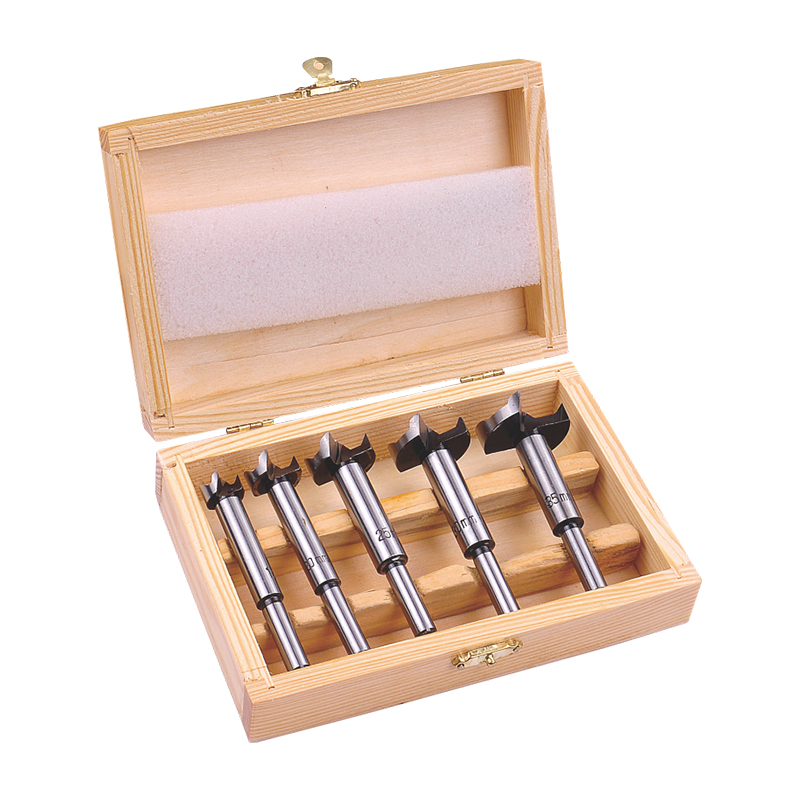
A Milling Cutter for Wood is a versatile tool used in woodworking for shaping, carving, slotting, and finishing tasks. The performance and outcome of wood milling depend heavily on the diameter and blade geometry of the cutter. Different designs are optimized for specific applications, allowing woodworkers to achieve clean cuts, decorative profiles, or precise joinery. Understanding the range of cutter sizes and blade shapes is essential for selecting the right tool for each project.
Straight flute cutters are among the common types of wood milling cutters. They are ideal for creating straight grooves, dados, and rabbets in both softwoods and hardwoods. The straight blade design allows efficient removal of wood chips while providing consistent cutting depth. Smaller diameter straight cutters are used for fine details or shallow grooves, whereas larger diameters are suitable for wider channels or structural cuts. Straight flute cutters are highly versatile and serve as a foundation in most woodworking shops.
Spiral or helical cutters feature twisted blades that gradually engage the wood fibers, resulting in smoother cuts with tear-out. Up-cut spiral cutters lift chips away from the workpiece, while down-cut spiral cutters press fibers down for cleaner top surfaces. Smaller spiral cutters are effective for detailed routing and edge work, while larger spiral cutters excel in material removal for cabinetry, flooring, or furniture panels. The helical design also reduces vibration and stress on the cutter, extending its lifespan.
Ball nose cutters have a rounded tip, making them suitable for three-dimensional shaping and intricate contours. They are commonly used for carving decorative edges, rounded profiles, or sculpted designs on wood surfaces. Smaller diameters allow for precise detailing in tight spaces, whereas larger diameters can shape broader curves and relief patterns. The smooth curvature of ball nose cutters ensures a clean finish without sharp transitions or jagged edges, making them ideal for artistic or furniture applications.
V-groove and chamfer cutters are specifically designed for creating angled cuts, decorative grooves, and beveled edges. They are widely used for trim, signage, or ornamental panels. The diameter and cutting angle determine the depth and width of the decorative feature. Smaller V-groove cutters produce delicate lines suitable for fine detailing, while larger chamfer cutters create bold, visually striking edges. Using the appropriate cutter ensures precise decorative effects without damaging the surrounding wood surface.
Router cutters for raised panels or profile work are typically larger in diameter and have complex blade geometries. They are designed to create smooth transitions and elevated panel surfaces for doors, cabinets, or moldings. The choice of diameter affects the curvature and scale of the panel profile, while the specific blade shape controls the final decorative contour. Proper selection ensures consistent results across multiple panels, maintaining both aesthetic and structural quality.
Different diameters and blade shapes of a Milling Cutter for Wood are tailored for specific cutting applications. Straight flute cutters provide versatility for general milling, spiral cutters offer smooth finishes, ball nose cutters enable contouring, and V-groove or chamfer cutters create decorative edges. Larger cutters are suitable for broad material removal or structural elements, while smaller cutters allow precision detailing. By understanding the relationship between cutter geometry and cutting purpose, woodworkers can select the appropriate tools for efficient, high-quality results in any woodworking project.
KEEP IN ToUCH

Rongcheng specializes in manufacturing and exporting wood planer bits, auger bits, shovel bits, spade bits, chisels, hammer bits and carbide, etc.
contact us
Address: Shangbutou, Qingjiang, Yueqing, Zhejiang, China
Tel: +86-577-62271200
FAX: +86-577-62276882
E-mail: [email protected]
Follow us

Carbide Hammer Drill Tools Manufacturer

 English
 русский
 Español
 中文简体
中文简体