2025-12-19
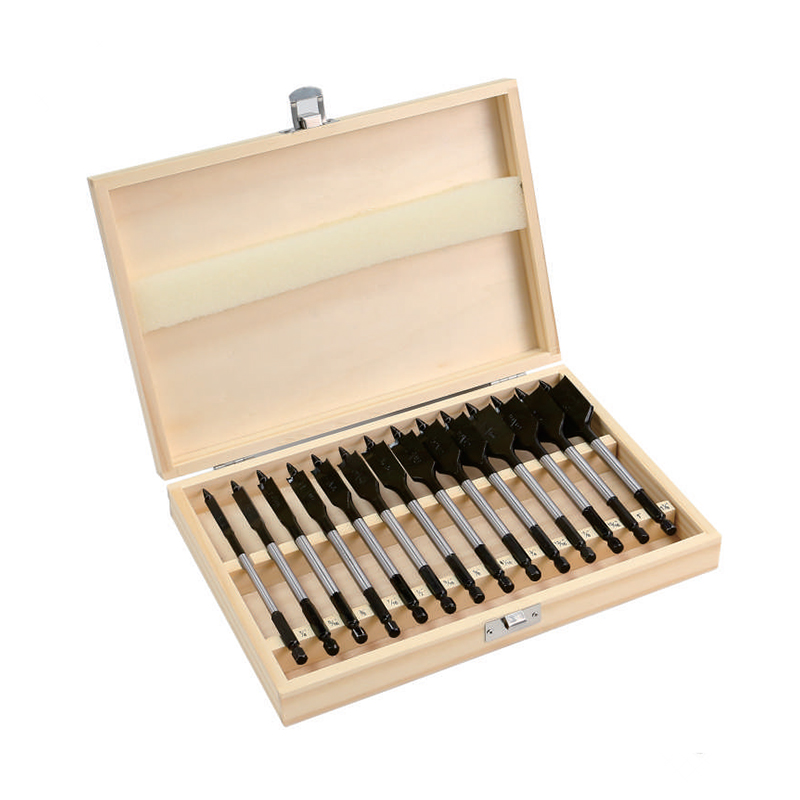
Drilling wood is a fundamental task in woodworking, but it comes with specific challenges that can affect efficiency and precision. One common issue is the accumulation of wood chips, which can clog the drill bit and slow down the process. Another frequent problem is overheating, which can damage both the wood and the drill bit. A high-quality Wood Drill Bit can mitigate some issues, but proper techniques are essential to prevent clogging and heat buildup. Understanding these factors ensures smoother, safer, and more accurate drilling operations.
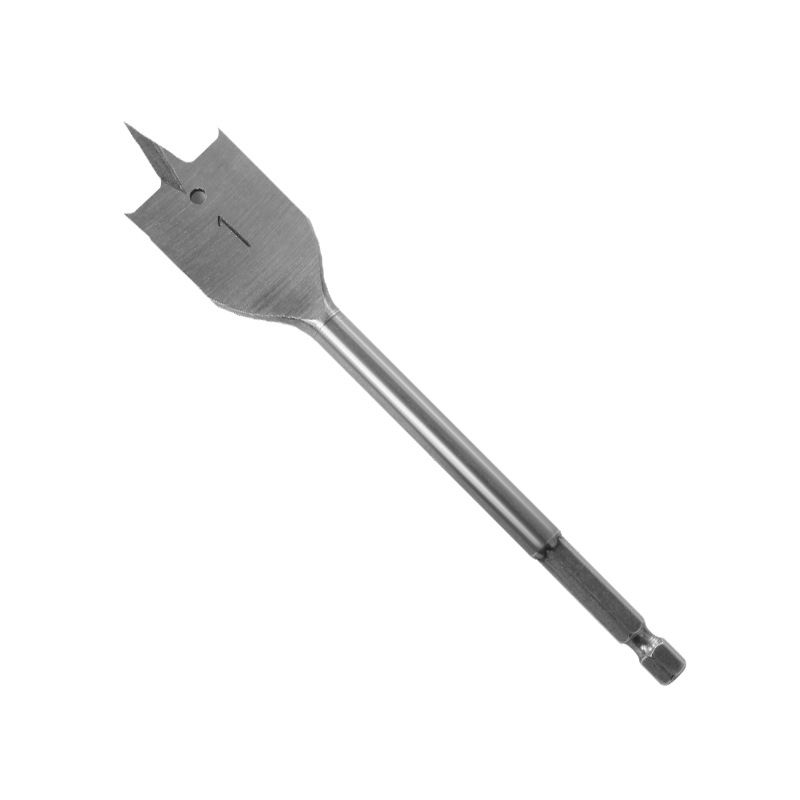
When a drill penetrates wood, it generates shavings or chips that must be cleared away to allow continuous cutting. If these chips accumulate around the drill bit, they can create friction, making drilling more difficult and potentially causing uneven holes. Softwoods tend to produce larger, fluffier chips, whereas hardwoods produce denser, compact shavings. Recognizing the type of wood and adjusting drilling techniques accordingly helps prevent chip accumulation.
One of the effective ways to avoid clogging and overheating is to control the drill speed and feed rate. Running the drill too fast can generate excessive heat and compact chips around the bit, while applying too much pressure can cause wood splintering or bit jamming. Using moderate speed with consistent, controlled pressure allows the bit to cut efficiently while allowing chips to escape naturally. For thicker or harder woods, slightly slower speeds are recommended to reduce heat buildup and maintain bit sharpness.
Regularly withdrawing the Wood Drill Bit during drilling can help remove accumulated chips and reduce heat. Pulling the bit out in short intervals clears the flutes of wood shavings, improves visibility, and prevents friction from overheating the bit. For long or deep holes, drilling in stages rather than continuously is advisable. Additionally, using a drill with a sharp, clean bit design improves chip evacuation and reduces resistance.
Lubrication and Cooling Techniques
Although lubrication is more common in metal drilling, a small amount of water or specialized wood drilling lubricant can help in preventing heat buildup in dense hardwoods. Applying a thin layer on the surface or periodically dipping the bit can reduce friction and extend the life of the bit. Maintaining a clean workspace also prevents wood dust from accumulating and affecting both performance and safety.
Keeping a Wood Drill Bit sharp is essential for preventing clogging and overheating. Dull bits generate more friction, produce larger chips, and require excessive force to penetrate wood, all of which increase the risk of heat damage. Regular inspection and sharpening or replacing worn bits ensure smooth operation and precise results.
Preventing wood chip clogging and overheating during drilling involves a combination of proper technique, controlled drill speed and pressure, and regular bit maintenance. Using a high-quality Wood Drill Bit, drilling in intervals, and maintaining sharpness allow for cleaner holes, longer tool life, and safer operation. By understanding and applying these methods, both professional woodworkers and DIY enthusiasts can achieve precise, efficient, and damage-free drilling results in any woodworking project.
KEEP IN ToUCH

Rongcheng specializes in manufacturing and exporting wood planer bits, auger bits, shovel bits, spade bits, chisels, hammer bits and carbide, etc.
contact us
Address: Shangbutou, Qingjiang, Yueqing, Zhejiang, China
Tel: +86-577-62271200
FAX: +86-577-62276882
E-mail: [email protected]
Follow us

Carbide Hammer Drill Tools Manufacturer

 English
 русский
 Español
 中文简体
中文简体