2025-12-12
Drilling glass requires a delicate balance of speed and pressure to achieve clean holes without causing cracks or shattering. A Glass Drill Bit is designed specifically to cut through brittle surfaces such as window panes, mirrors, or glass shelves. However, improper handling can easily damage the glass, rendering it unusable. Understanding the correct drilling speed and applied pressure is crucial for both safety and the quality of the finished hole.
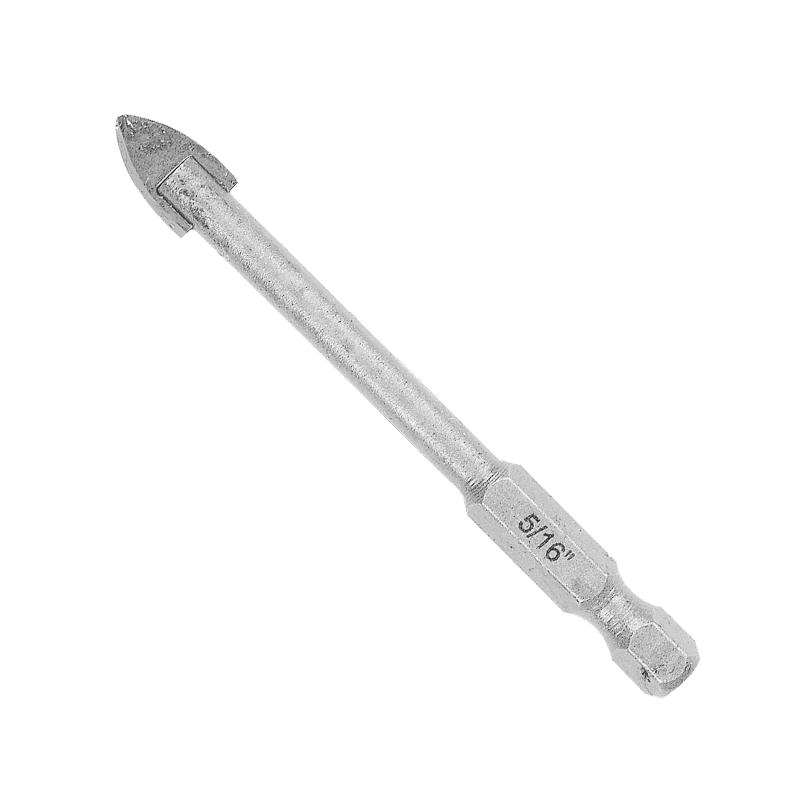
The speed at which a glass drill bit rotates significantly affects the outcome of drilling. High-speed drilling generates excessive heat, which can expand the glass and cause cracking. Conversely, drilling too slowly can cause the bit to catch on the surface, chipping or scratching the glass. The ideal speed is typically low to medium, allowing the bit to gradually penetrate the material while reducing heat buildup. Using a variable-speed drill provides the flexibility to adjust the rotation rate depending on the thickness and type of glass, ensuring a controlled and precise process.
Pressure is another critical factor when drilling glass. Excessive force can cause sudden fractures, while too little pressure prevents the bit from making effective contact with the surface. A steady, gentle pressure is recommended, letting the weight of the drill and the sharpness of the bit do most of the work. Maintaining consistent pressure throughout the drilling process reduces the risk of chipping at the entry and exit points of the hole. For beginners, practicing on scrap pieces of glass can help develop a sense of appropriate force before attempting final projects.
To further control heat and protect the glass, water or a suitable coolant should be applied continuously during drilling. This not only reduces friction but also helps maintain an even temperature, preventing thermal stress that can cause cracking. Water acts as a lubricant and coolant, making it easier for the bit to cut through the glass while prolonging the life of the drill bit. Keeping the drilling surface wet is especially important for thicker or harder glass types, which require more time and precision.
Using a stable work surface and securing the glass properly are essential for controlling speed and pressure. Placing masking tape over the drilling spot can reduce chipping and provide additional grip for the drill bit. Starting with a small pilot hole or using a pointed tip on the drill bit can help guide the drilling process more accurately. Always wear safety glasses and gloves to protect against flying glass particles. Following these precautions ensures safer and more precise results.
Controlling speed and pressure is fundamental when using a Glass Drill Bit. Low to medium drill speeds, combined with gentle and consistent pressure, allow the bit to penetrate glass safely and cleanly. Continuous lubrication and proper surface stabilization further enhance the success rate. By understanding and applying these techniques, both beginners and experienced users can achieve precise, professional-quality holes in glass without unnecessary risk of damage.
KEEP IN ToUCH

Rongcheng specializes in manufacturing and exporting wood planer bits, auger bits, shovel bits, spade bits, chisels, hammer bits and carbide, etc.
contact us
Address: Shangbutou, Qingjiang, Yueqing, Zhejiang, China
Tel: +86-577-62271200
FAX: +86-577-62276882
E-mail: [email protected]
Follow us

Carbide Hammer Drill Tools Manufacturer

 English
 русский
 Español
 中文简体
中文简体