2026-03-06
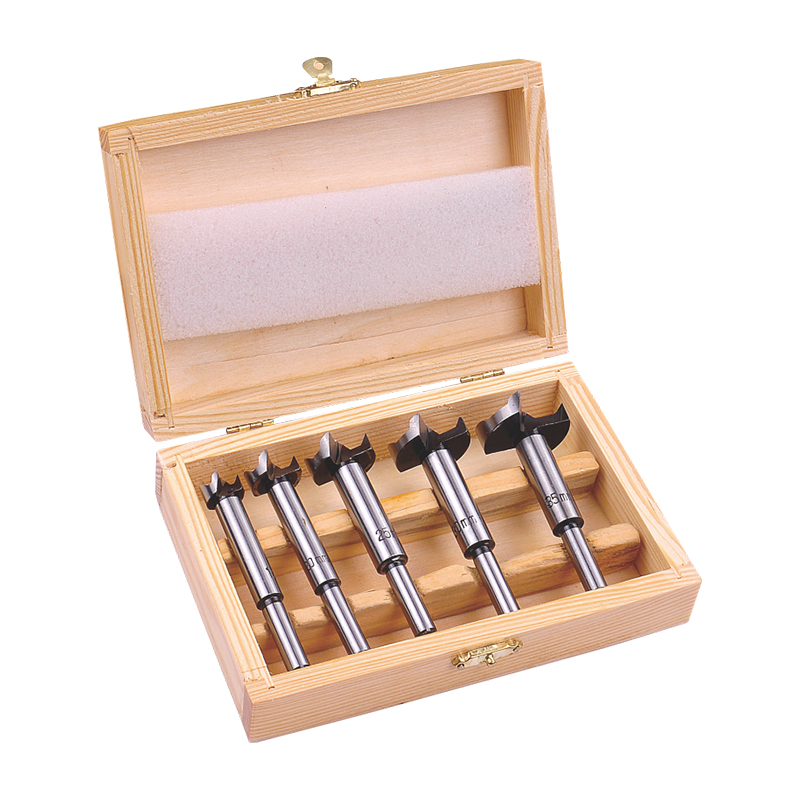
A Wood Drill Bit is indispensable for woodworking projects that require precise, clean holes. When drilling deep holes, one of the primary challenges is efficiently evacuating wood chips from the hole. Accumulated debris can cause the drill to jam, overheat, or produce uneven holes, which compromises both the workpiece and the drill bit. Understanding effective chip management techniques is essential for high-quality results and prolonged tool life.
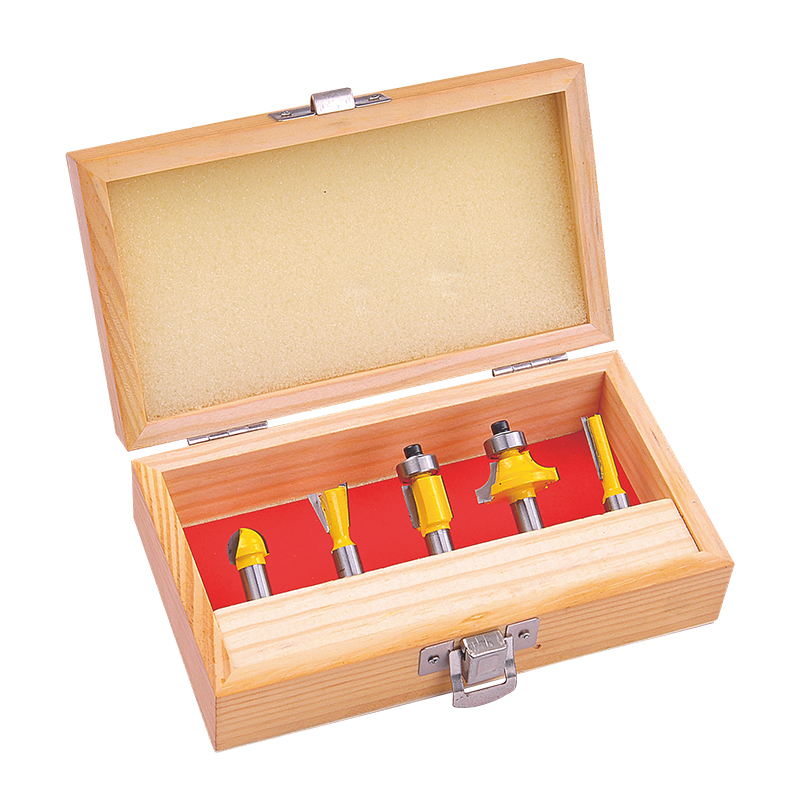
The design of the drill bit significantly affects chip removal efficiency.
Choosing the correct bit ensures smoother drilling and consistent chip flow.
Proper drill speed and feed rate are critical in deep-hole drilling.
These adjustments help maintain smooth drilling and decrease the risk of clogging.
Actively managing wood shavings is essential for preventing blockages.
Implementing these methods ensures that debris does not obstruct the drilling process.
For extremely deep holes, a staged drilling approach enhances chip removal.
Step drilling reduces stress on both the bit and the workpiece while improving hole quality.
Proper maintenance ensures that chip removal remains efficient over time.
Routine maintenance extends the life of the bit and improves drilling performance.
A Wood Drill Bit can achieve smooth chip removal in deep-hole drilling through careful bit selection, optimized speed and feed, proactive chip management, staged drilling techniques, and consistent maintenance. These strategies prevent clogging, ensure clean and accurate holes, and extend the lifespan of the tool. By following these practices, woodworkers can efficiently and safely handle deep drilling tasks while maintaining high-quality results.
KEEP IN ToUCH

Rongcheng specializes in manufacturing and exporting wood planer bits, auger bits, shovel bits, spade bits, chisels, hammer bits and carbide, etc.
contact us
Address: Shangbutou, Qingjiang, Yueqing, Zhejiang, China
Tel: +86-577-62271200
FAX: +86-577-62276882
E-mail: [email protected]
Follow us

Carbide Hammer Drill Tools Manufacturer

 English
 русский
 Español
 中文简体
中文简体