2026-02-24
Glass Drill Bits are specialized tools designed to create precise holes in brittle materials such as glass, ceramic, and mirrors. Their durability and lifespan are critical factors for both professional craftsmen and DIY enthusiasts. Unlike standard drill bits, Glass Drill Bits must withstand high friction and resist chipping or cracking while maintaining sharp cutting edges. Many guidelines from reputable Glass Drill Bit Factory sources emphasize that understanding material compatibility and operating conditions is the first step in evaluating bit performance. Recognizing the limits of each bit helps prevent damage and ensures consistent results.
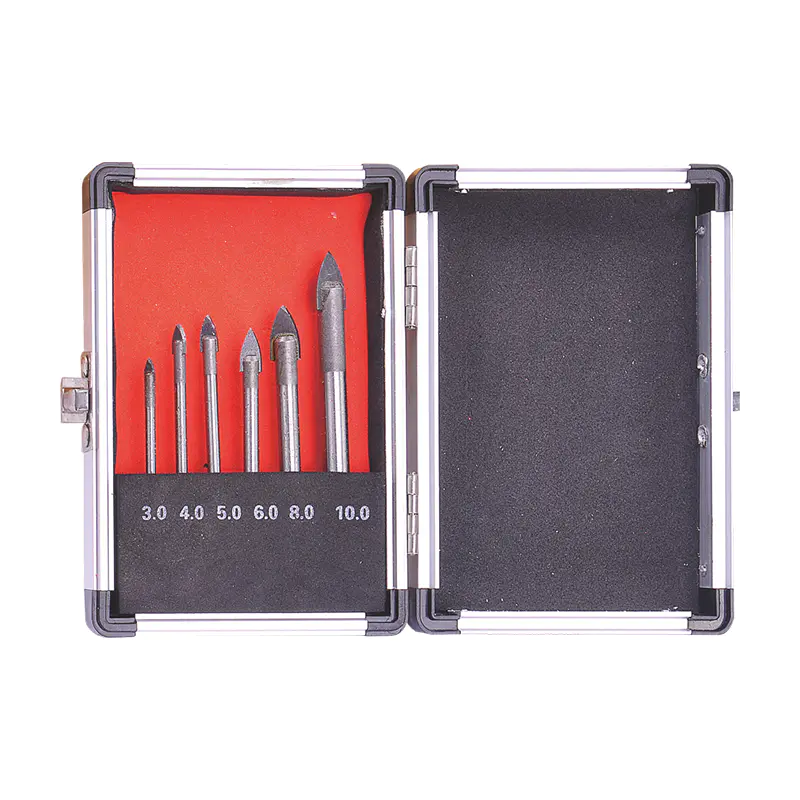
The durability of a Glass Drill Bit largely depends on its material composition and any specialized coatings. Tungsten carbide and diamond-tipped bits are commonly used for glass drilling due to their hardness and wear resistance. Bits with additional coatings, such as titanium or diamond powder, can enhance surface strength and reduce friction, extending lifespan. Users should always check specifications provided by the Glass Drill Bit Factory to ensure the bit is suitable for the intended material. Selecting the correct composition prevents premature wear and maintains cutting efficiency over multiple uses.
The lifespan of a Glass Drill Bit is also influenced by proper usage techniques. Applying excessive pressure can cause the bit to chip or the glass to crack, while too little pressure may result in slow cutting and uneven wear. Maintaining a consistent drilling speed and using water or coolant to reduce heat and friction can significantly extend the bit’s life. Additionally, pausing periodically to clear debris prevents accumulation that can cause overheating. Following recommended operational practices ensures the bit performs well and maintains its structural integrity over time.
Evaluating the wear of a Glass Drill Bit involves inspecting both the tip and flutes for signs of damage. Dull tips, chipped edges, or irregular drilling patterns indicate the bit is losing effectiveness. Users should monitor drilling performance, noting if increased force is required or if holes become less precise. Regular inspection allows for timely replacement, preventing damage to both the material and the drill bit. Many professional workshops refer to Glass Drill Bit Factory maintenance guidelines to establish replacement schedules based on usage frequency and material hardness.
Practical testing provides additional insight into durability and expected lifespan. Drilling sample pieces and measuring the consistency of hole diameter, surface smoothness, and bit sharpness over time can help evaluate performance. Tracking the number of holes drilled before noticeable wear occurs gives a realistic estimate of lifespan. This data allows users to compare different brands or types of bits, helping in the selection of high-quality Glass Drill Bits for long-term use.
Evaluating the durability and lifespan of a Glass Drill Bit requires careful consideration of material composition, coatings, operational techniques, and wear indicators. By following practices and referencing guidelines from a reliable Glass Drill Bit Factory, users can improve performance, prevent damage, and ensure precise drilling in glass and other brittle materials. Proper assessment and timely maintenance are essential for achieving consistent, high-quality results while extending the tool’s service life.
KEEP IN ToUCH

Rongcheng specializes in manufacturing and exporting wood planer bits, auger bits, shovel bits, spade bits, chisels, hammer bits and carbide, etc.
contact us
Address: Shangbutou, Qingjiang, Yueqing, Zhejiang, China
Tel: +86-577-62271200
FAX: +86-577-62276882
E-mail: [email protected]
Follow us

Carbide Hammer Drill Tools Manufacturer

 English
 русский
 Español
 中文简体
中文简体