2026-02-20
SDS Drill tools are widely used for heavy-duty drilling in concrete, masonry, and stone materials, but achieving high drilling accuracy can be challenging without proper techniques. Precision depends on factors such as drill bit quality, operator skill, and the type of material being drilled. Using a well-manufactured SDS Drill ensures consistent performance and reduces wandering, but users must also adopt correct handling practices. Many SDS Drill Factory guidelines emphasize the importance of both tool selection and operational method to achieve accurate results. Understanding these fundamentals helps avoid common issues such as off-center holes or uneven depths.
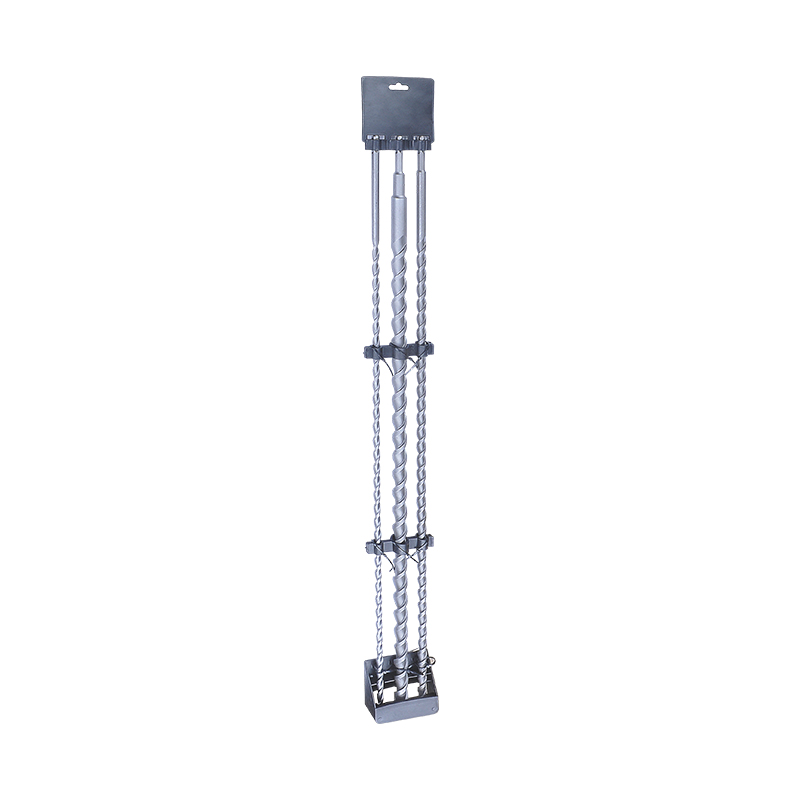
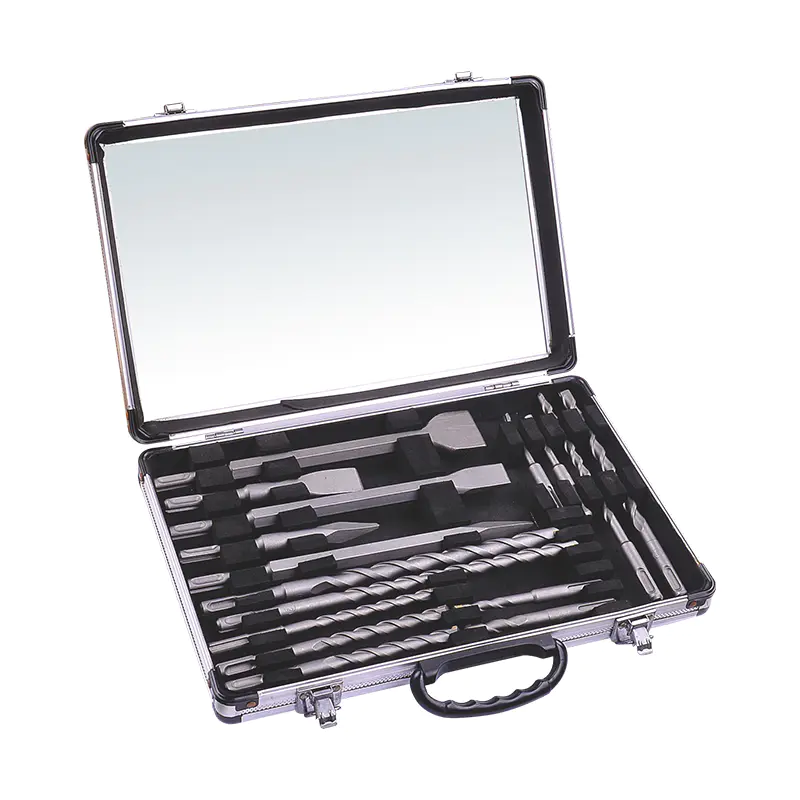
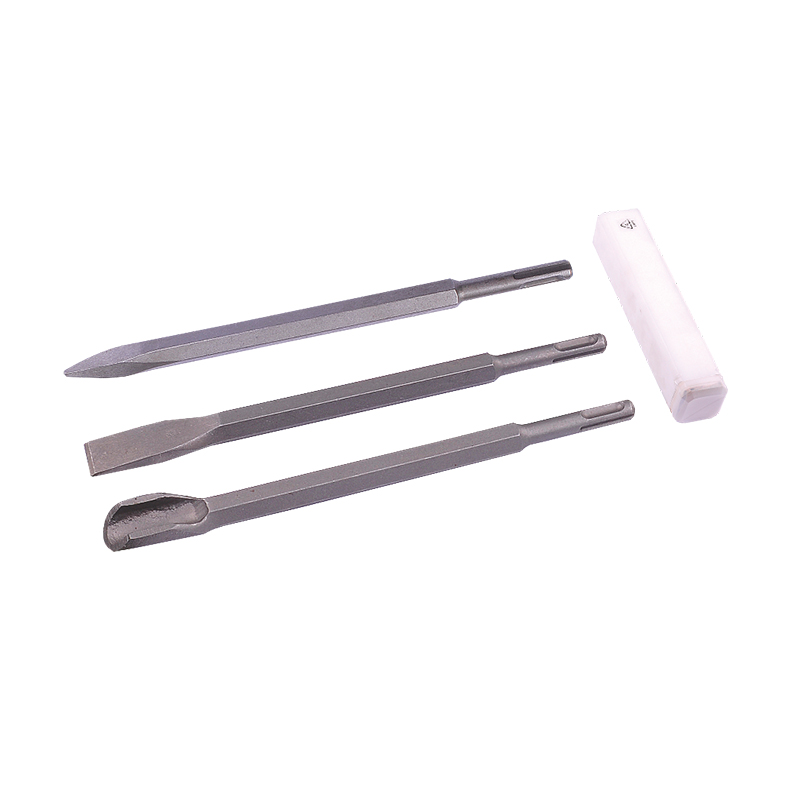
Choosing the appropriate SDS Drill bit is essential for improving drilling precision. Different bits are designed for specific materials and hole diameters, and using the wrong bit can result in deviations or damage. High-quality bits from reputable SDS Drill Factory sources are often engineered with sharper tips and optimized flute designs, allowing them to penetrate materials efficiently while reducing wandering. Matching the bit type to the hardness of the material ensures cleaner cuts and greater accuracy. Additionally, bit maintenance, including sharpening and inspection for wear, helps maintain consistent precision over time.
Accurate drilling starts with the correct positioning of the SDS Drill. Marking the drilling point clearly and securing the material, if possible, reduces movement and improves control. Maintaining a perpendicular angle to the surface is critical, as even slight tilts can cause the hole to deviate. Applying steady and moderate pressure allows the drill to work efficiently without forcing it, which can cause misalignment or bit bending. Ensuring that the drill is held firmly but without excessive strain also reduces vibration, which is a common cause of reduced drilling accuracy.
Controlling Drill Speed and Mode
SDS Drills often come with multiple speed and impact settings. Adjusting these settings according to the material and hole size can significantly affect precision. Lower speeds with moderate hammer action are generally more accurate for dense materials, while higher speeds may be suitable for softer substrates. Avoiding prolonged continuous drilling at high speed reduces heat buildup and wear on the bit, both of which can compromise accuracy. Monitoring the drill’s performance during operation ensures consistent results and helps identify any deviations early.
For tasks requiring extremely precise holes, additional guides or supports can improve accuracy. Drill guides, clamps, or templates help maintain the correct angle and position throughout the drilling process. In some applications, a pilot hole can be drilled to guide the SDS Drill bit to the final depth. This approach is particularly useful when working on thick concrete or masonry walls, where small deviations can become more pronounced at greater depths. Combining these techniques with a high-quality SDS Drill and bit ensures reliable outcomes.
Improving SDS Drill accuracy requires careful attention to bit selection, drill handling, speed control, and the use of guides or supports. By following practices outlined by SDS Drill Factory experts and adopting consistent operational techniques, users can achieve precise, clean, and correctly aligned holes in a variety of materials. Proper preparation and disciplined drilling practices ultimately extend tool life and enhance the quality of construction or renovation projects.
KEEP IN ToUCH

Rongcheng specializes in manufacturing and exporting wood planer bits, auger bits, shovel bits, spade bits, chisels, hammer bits and carbide, etc.
contact us
Address: Shangbutou, Qingjiang, Yueqing, Zhejiang, China
Tel: +86-577-62271200
FAX: +86-577-62276882
E-mail: [email protected]
Follow us

Carbide Hammer Drill Tools Manufacturer

 English
 русский
 Español
 中文简体
中文简体