2026-02-13
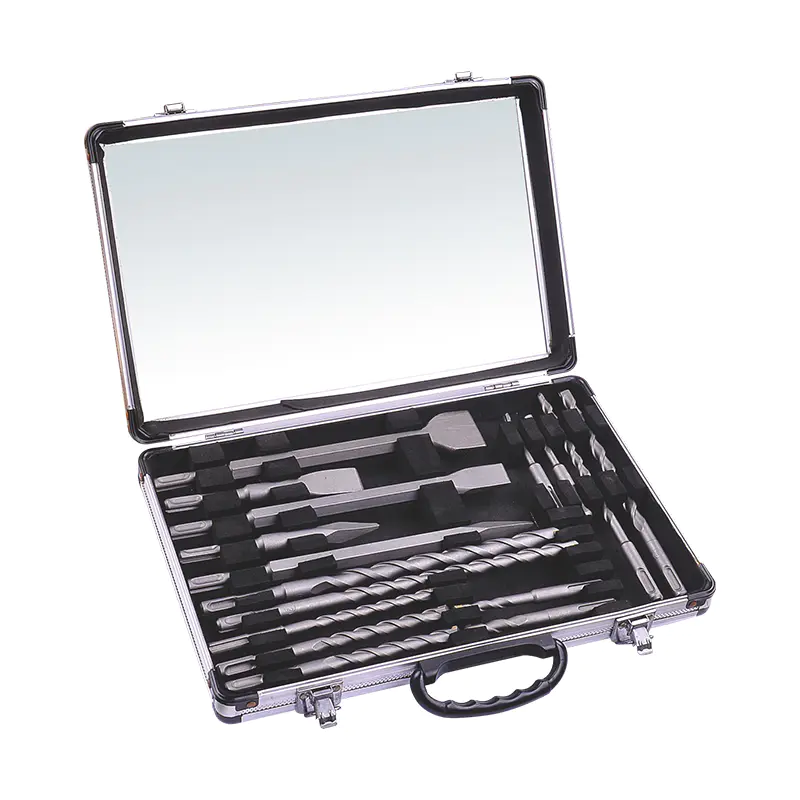
Hammer Drill Bits are essential tools for heavy-duty drilling tasks, but improper use can cause overheating and premature wear. Overheating reduces the efficiency of the bit and can compromise its structural integrity, especially when working with hard materials like concrete or masonry. Knowing the causes of overheating is crucial to extending the life of your tools. Common causes include excessive drilling speed, prolonged continuous use, and inadequate cooling methods. By understanding these factors, users can take proactive steps to maintain suitable performance and reduce the risk of damage. Many Hammer Drill Bit Factory manuals emphasize the importance of monitoring temperature during operation to prevent costly replacements.
One of the effective ways to prevent overheating is by controlling both the drilling speed and applied pressure. High rotational speeds combined with excessive pressure generate significant friction, causing heat buildup. Users should allow the bit to work at its natural pace, applying steady but moderate pressure. Avoid forcing the drill through dense materials, as this can quickly elevate the bit’s temperature and cause warping or chipping. Many Hammer Drill Bit Factory guidelines recommend gradual drilling with periodic pauses to allow the bit to cool. Adjusting the speed settings on the drill to match the material being worked on can also significantly reduce heat generation.
Cooling techniques play a critical role in extending the lifespan of a Hammer Drill Bit. For prolonged drilling tasks, periodically withdrawing the bit from the hole allows air circulation to reduce heat. In some cases, applying water or specialized cutting fluids to the bit can lower surface temperature and prevent friction-related damage. However, it is important to follow the manufacturer's instructions, as some bits are not designed for wet drilling and may corrode if exposed to moisture. Consistent cooling practices not only protect the bit from overheating but also improve drilling accuracy and efficiency.
Regular maintenance is another key factor in avoiding damage to Hammer Drill Bits. Inspecting the cutting edges for signs of dullness or chipping can prevent excessive heat buildup caused by inefficient cutting. Sharpening the bit when necessary ensures smooth penetration and reduces friction. Users should also check the shank for signs of wear, as a loose fit in the drill chuck can create vibrations that increase heat. Storing bits properly in a dry environment prevents rust and corrosion, further reducing the risk of overheating during use. Adhering to these maintenance practices can help users improve the performance and longevity of their drill bits.
Choosing the appropriate Hammer Drill Bit for the specific material is critical to preventing overheating. Bits designed for masonry, concrete, or metal have different cutting geometries and hardness levels. Using an unsuitable bit forces the tool to work harder, generating unnecessary heat and increasing the risk of breakage. Consulting with manufacturers or suppliers, especially reputable Hammer Drill Bit Factory sources, ensures that the selected bit matches both the drill and the material. This careful selection, combined with proper usage and maintenance, significantly reduces the likelihood of overheating or damage.
Preventing overheating and damage to Hammer Drill Bits requires a combination of proper speed control, cooling techniques, routine maintenance, and careful bit selection. By following these practices, users can improve drilling performance, extend tool lifespan, and maintain safety during operation. Paying attention to operational conditions and adhering to manufacturer guidelines ensures that Hammer Drill Bits remain reliable and efficient for both professional and DIY projects.
KEEP IN ToUCH

Rongcheng specializes in manufacturing and exporting wood planer bits, auger bits, shovel bits, spade bits, chisels, hammer bits and carbide, etc.
contact us
Address: Shangbutou, Qingjiang, Yueqing, Zhejiang, China
Tel: +86-577-62271200
FAX: +86-577-62276882
E-mail: [email protected]
Follow us

Carbide Hammer Drill Tools Manufacturer

 English
 русский
 Español
 中文简体
中文简体