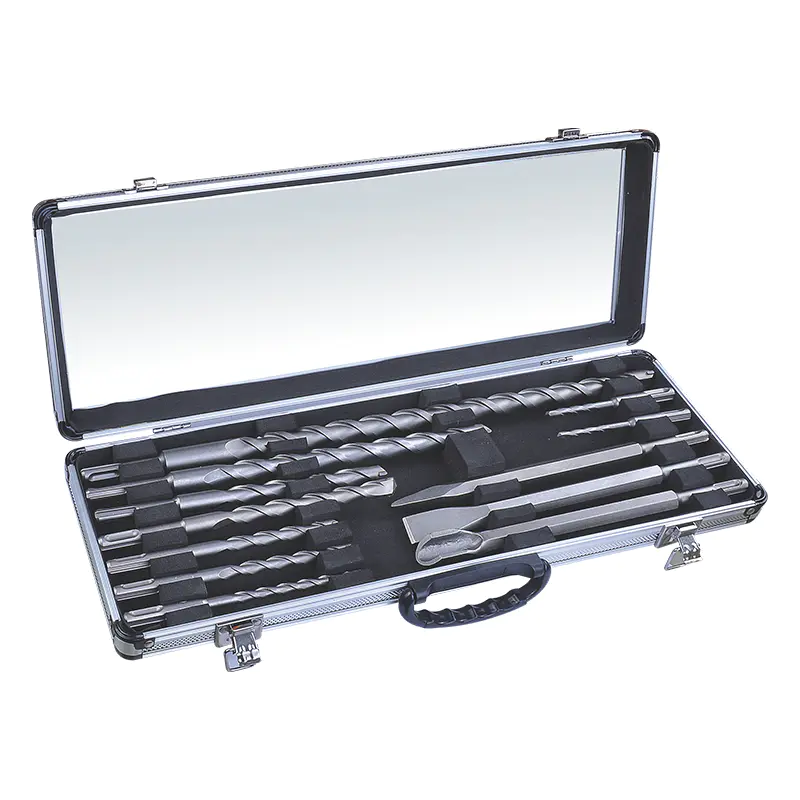
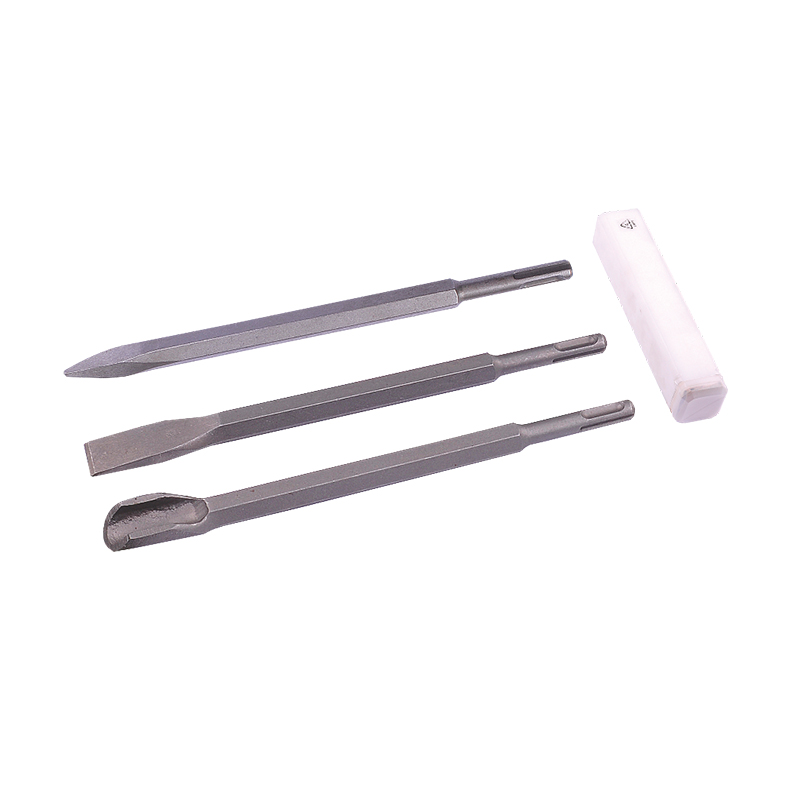
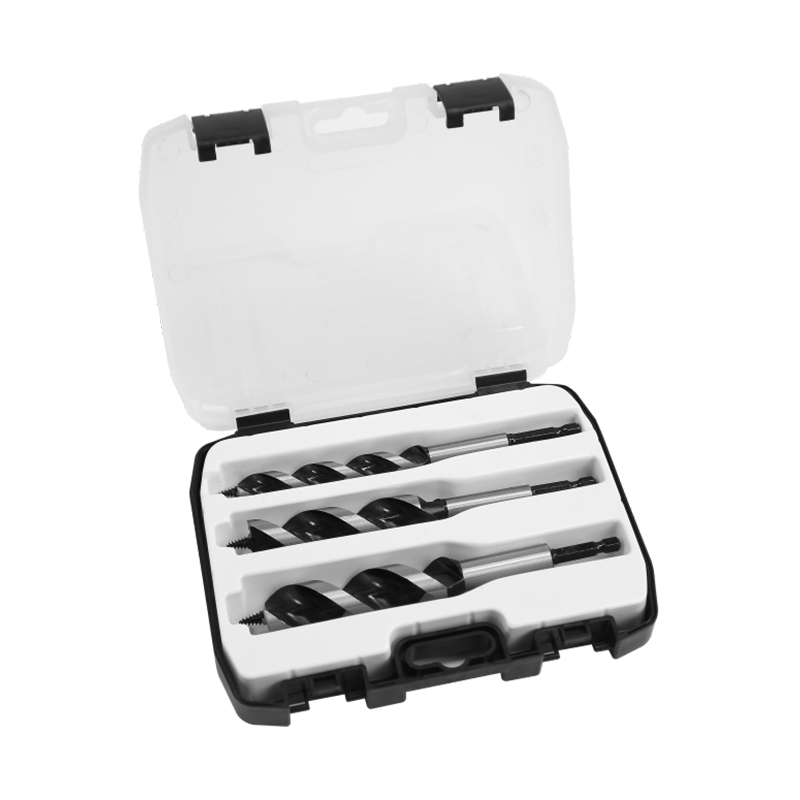
A Hammer Drill Bit Factory produces drill bits designed for a wide range of materials, including concrete, masonry, and stone. When using a hammer drill, one key decision is whether to drill in a dry or wet environment. Both methods have advantages and limitations, and understanding their differences is critical for efficiency, tool longevity, and safety.
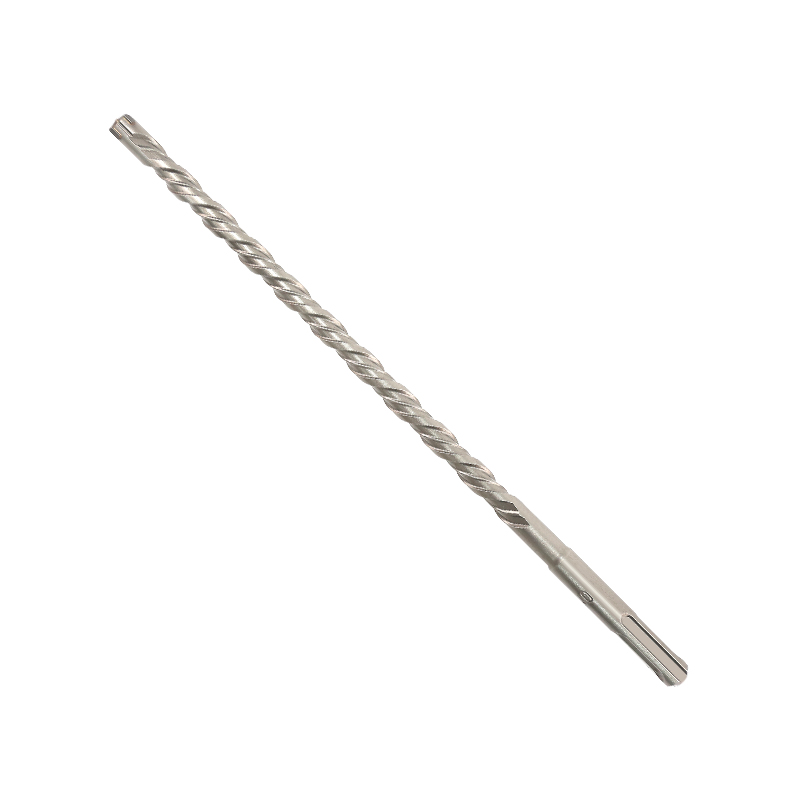
- Dry drilling: Commonly used for smaller projects or when water is unavailable.
- Wet drilling: Preferred in industrial settings or deep-hole applications to reduce heat and dust.
- Importance of choice: Selecting the proper drilling method impacts performance and safety.

Performance in Dry Drilling
Dry drilling is convenient and portable, but presents specific challenges.
- Heat buildup: Friction between the drill bit and material generates significant heat.
- Dust production: Fine dust from concrete or masonry can impair visibility and cause respiratory issues.
- Bit wear: Higher temperatures accelerate wear, potentially reducing drill bit life.
- Hole quality: Dry drilling can produce rougher edges due to material chipping and friction.
1. Advantages of dry drilling:
- No need for water supply or setup.
- Easier to drill in areas without electricity or plumbing access.
2. Limitations:
- Requires frequent pauses to prevent overheating.
- More abrasive to the drill bit, especially in hard materials.
- Dust poses safety and environmental concerns.
Performance in Wet Drilling
Wet drilling involves using water to cool the drill bit and reduce dust.
- Heat reduction: Water absorbs friction heat, keeping the bit cooler and reducing wear.
- Dust suppression: Wet drilling reduces airborne particles, improving visibility and health safety.
- Smoother holes: Reduced heat and debris result in cleaner hole surfaces.
- Longer bit lifespan: Consistent cooling protects the drill bit from rapid degradation.
1. Advantages of wet drilling:
- Efficient cooling allows continuous drilling without frequent pauses.
- Safer for eyes and lungs due to reduced dust.
- Provides better hole precision and surface finish.
2. Limitations:
- Requires a water supply and containment to prevent spillage.
- More setup effort is needed, especially on construction sites.
- Electrical safety precautions are necessary to avoid contact with water.
Safety Considerations
Safety differs significantly between dry and wet drilling.
- Dry drilling risks: Inhalation of dust particles, heat burns from hot drill bits, and flying debris.
- Wet drilling risks: Slip hazards, potential electric shock, and water handling in confined spaces.
- Protective measures: For dry drilling, use dust masks, safety goggles, and gloves. For wet drilling, ensure proper insulation and avoid direct contact with water near the drill’s power source.
Choosing the safer method depends on context: wet drilling generally provides better heat control and dust mitigation, making it preferable for long or high-intensity projects. Dry drilling is safer for short, shallow holes where dust and heat are manageable.
Maintenance and Bit Longevity
The drilling method directly affects maintenance requirements.
- Dry drilling: Frequent cleaning of flutes is necessary to prevent chip accumulation and overheating.
- Wet drilling: Less cleaning is needed, but bits must be dried properly to prevent corrosion.
- Material selection: Carbide-tipped or coated drill bits perform better in both dry and wet environments.
- Storage: Proper storage after wet drilling prevents rust and maintains the bit’s efficiency.
Regular maintenance ensures consistent performance and extends the life of hammer drill bits.
Conclusion
A Hammer Drill Bit Factory designs bits capable of both dry and wet drilling, but the choice between methods affects performance, safety, and tool lifespan. Dry drilling is convenient for quick, small-scale projects but increases heat, dust, and wear. Wet drilling reduces heat, suppresses dust, and improves hole quality, making it generally safer for intensive or professional applications. By understanding the advantages, limitations, and safety requirements of each method, users can choose the suitable drilling technique for their specific projects, ensuring efficiency, accuracy, and longer-lasting drill bits.