2026-03-20
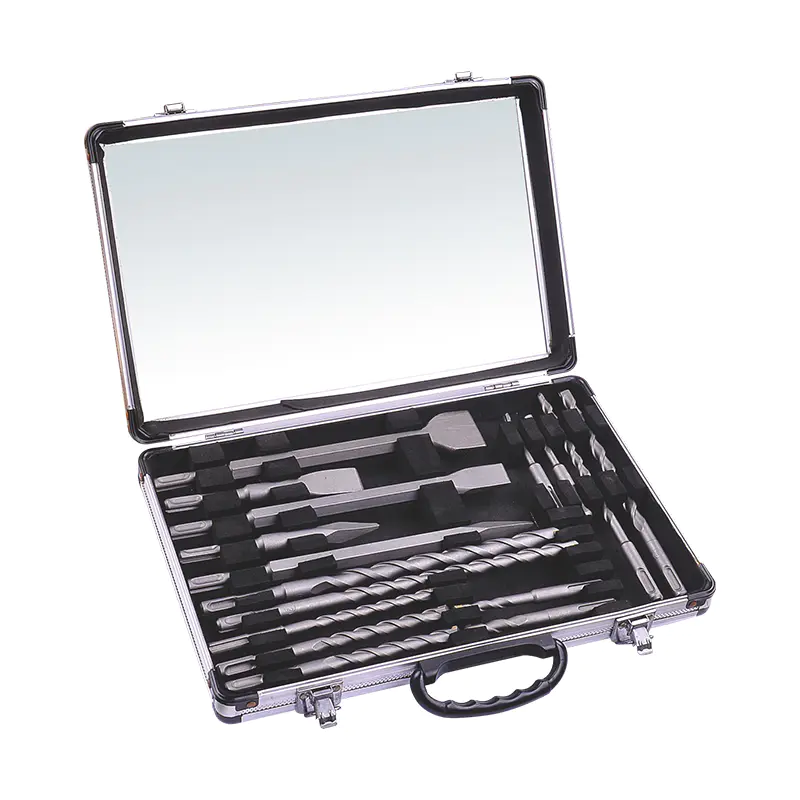
A SDS Drill Factory produces a variety of drill bits designed to meet the demands of professional and DIY users working with concrete, masonry, and stone. One of the critical considerations when using SDS drills is selecting the correct length and diameter to accommodate different hole depths and diameters. Choosing the wrong size can result in inefficient drilling, excessive wear, or even damage to the workpiece or drill bit. Understanding how to match drill dimensions to project requirements ensures both performance and safety.
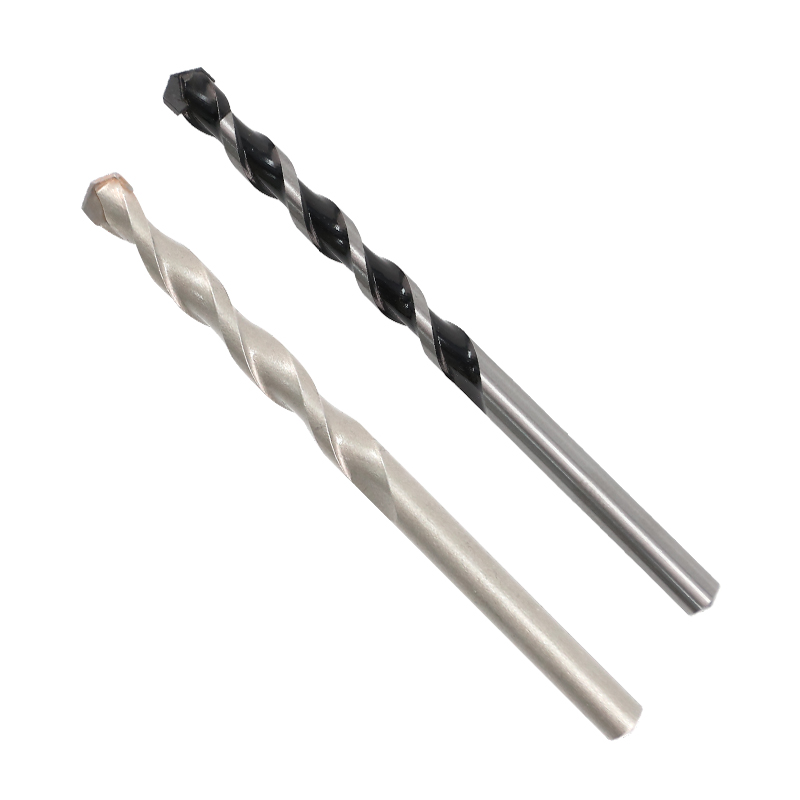
The diameter of an SDS drill affects both the hole size and the mechanical load on the drill.
Selecting the appropriate diameter is crucial for both functional and structural purposes.
The length of the SDS drill determines how deep a hole can be drilled effectively.
Proper drill length ensures holes reach the required depth without compromising safety or performance.
Different materials impose different demands on drill size.
Material-specific considerations help maintain efficiency and prevent drill damage.
Several techniques enhance performance when drilling deep holes with SDS drills.
These techniques improve both hole quality and bit longevity.
Proper selection of drill length and diameter also impacts safety.
Following these precautions ensures safe and efficient drilling.
A SDS Drill Factory designs bits that vary in length and diameter to meet diverse drilling needs. Correctly choosing the drill diameter ensures the hole fits its intended purpose, while proper length allows the required depth to be achieved safely. Matching these dimensions to material properties, project requirements, and drill capacity improves efficiency, reduces tool wear, and ensures high-quality results. By combining careful selection with proper technique and maintenance, users can achieve reliable, precise, and safe drilling outcomes in a variety of applications.
KEEP IN ToUCH

Rongcheng specializes in manufacturing and exporting wood planer bits, auger bits, shovel bits, spade bits, chisels, hammer bits and carbide, etc.
contact us
Address: Shangbutou, Qingjiang, Yueqing, Zhejiang, China
Tel: +86-577-62271200
FAX: +86-577-62276882
E-mail: [email protected]
Follow us

Carbide Hammer Drill Tools Manufacturer

 English
 русский
 Español
 中文简体
中文简体