2026-03-25
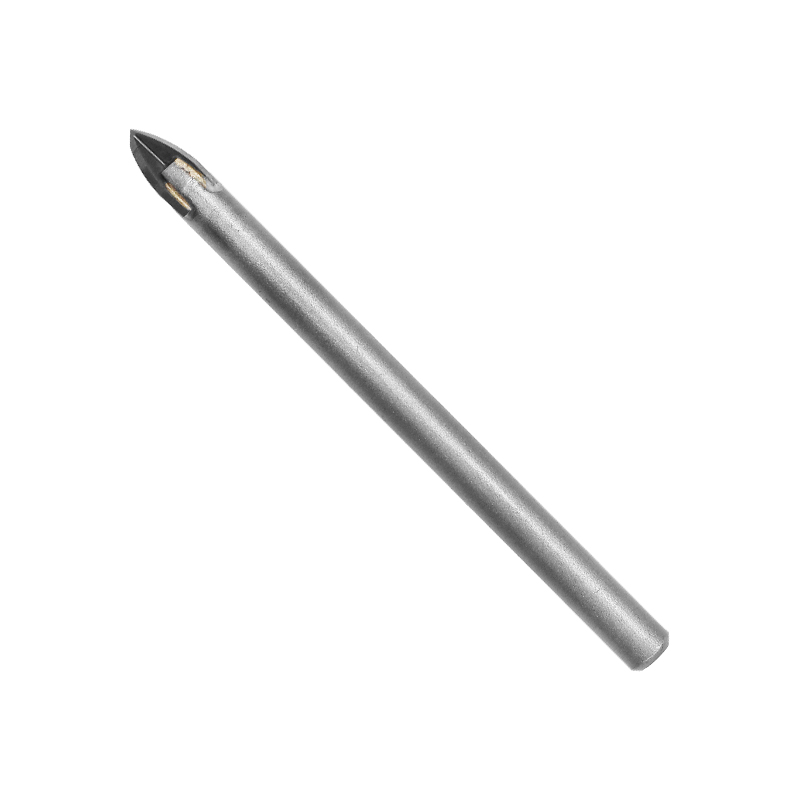
A Glass Drill Bit Factory produces specialized drill bits designed for precision drilling in delicate materials such as glass, mirrors, and tiles. One of the most critical considerations for achieving a clean and safe hole is selecting the correct drill bit based on glass thickness. Thin glass and thick glass present very different challenges, and improper selection can cause cracking, chipping, or total breakage. Understanding how to match the right bit to the material ensures accuracy, efficiency, and safety.
Thin glass requires careful handling and precision to avoid damage.
By using the correct bit type and drilling technique, thin glass can be drilled safely without risk.
Thick glass requires more durable and robust drill bits to penetrate effectively.
Proper bit selection and staged drilling ensure that thick glass is drilled efficiently and safely.
Regardless of thickness, several factors influence drilling success.
By addressing these considerations, both thin and thick glass drilling becomes safer and more predictable.
Maintaining drill bits is critical for consistent performance.
Regular maintenance ensures the longevity and precision of glass drill bits.
A Glass Drill Bit Factory produces a variety of bits suitable for both thin and thick glass, but selecting the right bit based on thickness is essential. Thin glass requires small, precise, and carefully handled bits, while thick glass demands durable, strong-tipped bits with staged drilling techniques. Regardless of the material, proper drilling speed, cooling, and maintenance play crucial roles in achieving clean, crack-free holes. By understanding the differences between thin and thick glass, and selecting the appropriate drill bit and technique, users can ensure safe, efficient, and high-quality results for all glass drilling projects.
KEEP IN ToUCH

Rongcheng specializes in manufacturing and exporting wood planer bits, auger bits, shovel bits, spade bits, chisels, hammer bits and carbide, etc.
contact us
Address: Shangbutou, Qingjiang, Yueqing, Zhejiang, China
Tel: +86-577-62271200
FAX: +86-577-62276882
E-mail: [email protected]
Follow us

Carbide Hammer Drill Tools Manufacturer

 English
 русский
 Español
 中文简体
中文简体