2026-04-03
Drilling is a fundamental task in woodworking and metalworking, and choosing the right type of drill bit can significantly affect both efficiency and results. Many users often ask about the differences between a Wood Drill Bit and a metal drill bit. Wood Drill Bit designs are specifically optimized for cutting through various types of wood, while metal drill bits are built to handle the denser and harder structure of metals.
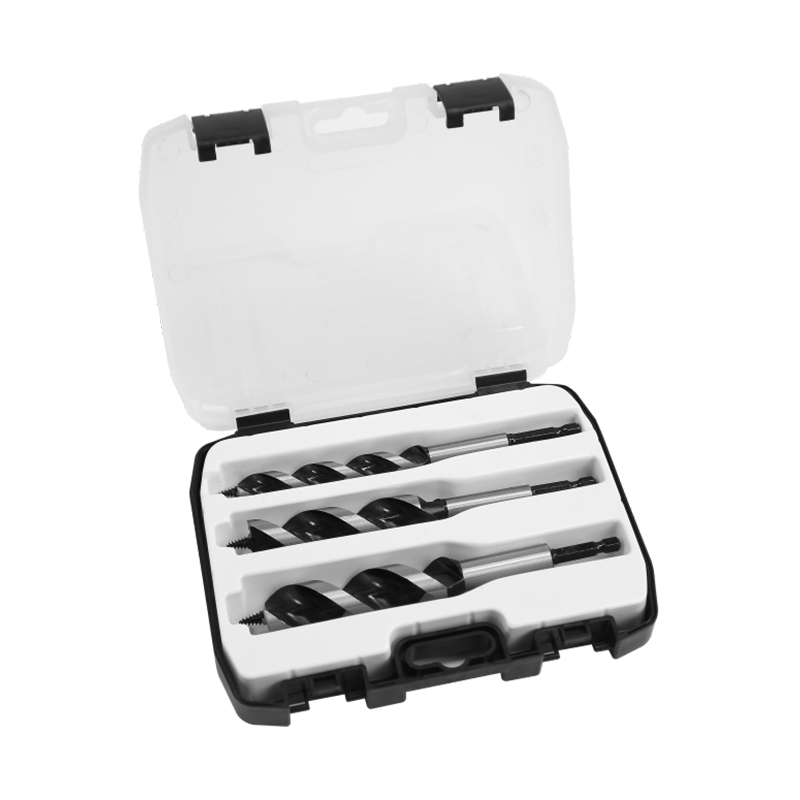
One of the noticeable differences lies in the design and tip structure. Wood Drill Bits often have a pointed tip, sometimes called a spur tip, which helps in accurately starting the hole and prevents wandering across the wood surface. The flutes on wood bits are generally wider to allow for efficient removal of wood shavings. In contrast, metal drill bits have a more blunt tip, often at a 118- to 135-degree angle, which helps to gradually penetrate hard surfaces without damaging the bit or material. The flutes on metal bits are narrower to cope with smaller chips and allow for better heat dissipation.
Another important distinction is the material and hardness of the bits. Wood Drill Bits are commonly made from high-speed steel or carbon steel, providing adequate hardness to penetrate soft and hardwoods without excessive wear. Some premium wood bits may feature coatings to reduce friction, but they are generally softer than metal drill bits. Metal drill bits, on the other hand, are often made from hardened high-speed steel, cobalt alloys, or even carbide-tipped materials to withstand the high pressure and heat generated when drilling metals. Using a wood bit on metal can quickly dull or break the bit, while a metal bit can often be used on wood, though it may remove material less efficiently.
Heat management is another key factor that differentiates these two types of bits. Wood Drill Bits generally produce less heat because wood is softer and requires less force to cut. Metal drill bits must endure higher temperatures generated from friction when cutting through dense metals, and this is why they are made of heat-resistant materials. Improper cooling or excessive speed when using a metal bit can cause bit deformation, loss of hardness, and poor hole quality.
The choice between wood and metal drill bits also comes down to intended applications. Wood Drill Bits excel in furniture making, cabinetry, and general woodworking projects. They are ideal for creating clean, precise holes in softwood, hardwood, plywood, and laminated materials. Metal drill bits are designed for industrial or mechanical applications, such as drilling steel, aluminum, and other alloys. Using the correct type of bit ensures cleaner holes, reduces the risk of material damage, and extends the lifespan of the tools.
Maintenance requirements differ as well. Wood Drill Bits require regular cleaning to remove wood chips and occasional sharpening of the tip to maintain precision. Metal bits require proper lubrication or cutting oil when drilling metals to prevent overheating and prolong durability. Understanding these differences in care is crucial for both professional and DIY users who want to maintain suitable performance from their tools.
The differences between Wood Drill Bits and metal drill bits involve tip design, material hardness, heat management, and intended applications. Choosing the right bit for the specific material not only improves efficiency but also ensures cleaner, more precise results. Wood Drill Bit designs, with their sharp tips and wide flutes, while metal drill bits provide the strength and heat resistance needed for metalworking. Awareness of these distinctions allows users to select the appropriate drill bit for each task and achieve good performance in both woodworking and metalworking projects.
KEEP IN ToUCH

Rongcheng specializes in manufacturing and exporting wood planer bits, auger bits, shovel bits, spade bits, chisels, hammer bits and carbide, etc.
contact us
Address: Shangbutou, Qingjiang, Yueqing, Zhejiang, China
Tel: +86-577-62271200
FAX: +86-577-62276882
E-mail: [email protected]
Follow us

Carbide Hammer Drill Tools Manufacturer

 English
 русский
 Español
 中文简体
中文简体