2026-06-12
A CNC milling cutter factory produces cutting tools used in machining work. These tools shape metal and other materials into usable parts. You do not usually see the factory's role in the final product, but it sits at the start of many manufacturing processes.
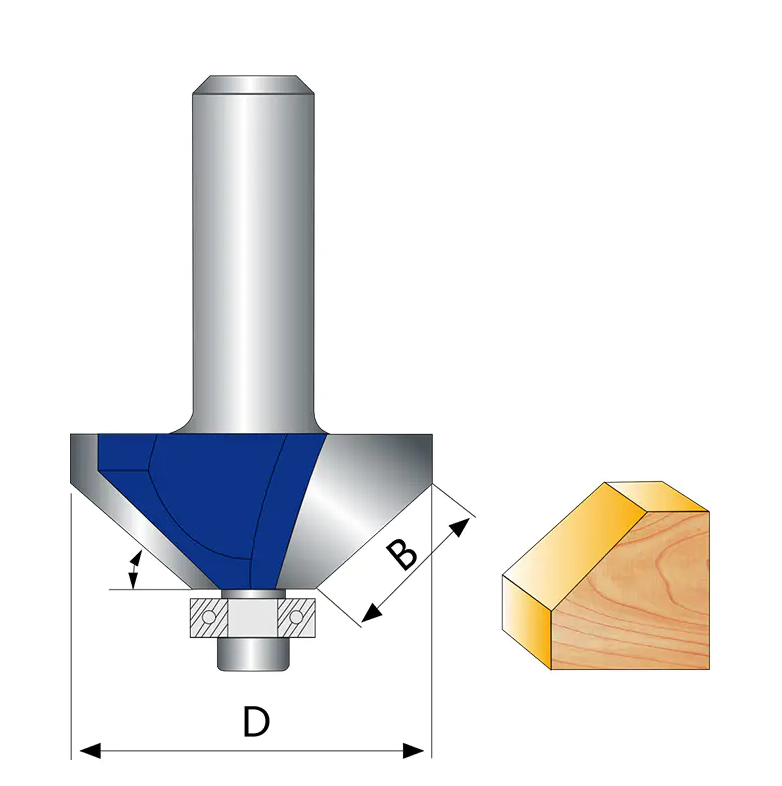
Inside the factory, the focus is simple in concept but detailed in execution. Raw material enters one end. Finished cutting tools leave the other. Between these two points, there are many controlled steps that decide how the tool will behave in real use.
Work inside a CNC milling cutter factory is usually arranged in stages. Each stage handles a different part of the tool.
Typical steps include:
Each step depends on the one before it. If an early stage is slightly off, later work will need correction. That is why the process is often handled in a steady, repeated rhythm rather than rushed movement.
The factory is not just producing tools. It is building consistency across many pieces that need to behave the same way in machining work.
Everything starts with a solid piece of material. At this point, it does not look like a cutting tool yet. It is just a blank form.
The first shaping step brings it closer to its basic structure. The aim is not detail. It is only to prepare a form that can be refined later.
After that, grinding begins. This is where the shape becomes more defined. The tool slowly gains edges and structure.
During this stage, small adjustments matter. A slight change in angle or surface smoothness can affect how the tool performs later. So the work is usually done step by step, with repeated checking instead of a single pass.
Grinding is where the cutting edge is formed. This edge is the part that touches material during machining, so its condition matters a lot.
If the edge is uneven, cutting may feel unstable. If the surface is not smooth, resistance during use can increase. If the shape is not balanced, the tool may not run evenly.
Because of this, grinding is not treated as a quick step. It is more like careful shaping work.
After each adjustment, the tool is often checked again. The process continues until the edge feels consistent across the surface.
Once the basic shape is complete, the tool goes through surface finishing. This step changes how the tool behaves during actual cutting.
It can help:
This stage does not change the shape. It changes how the surface interacts with material during work.
Different finishing methods may be used depending on what the tool will be used for. The factory chooses based on expected working conditions.
Consistency is important because these tools are used in repeated machining tasks. If one tool behaves differently from another, the final parts may not match.
To avoid that, factories use repeated checking during production.
This may include:
Instead of relying on one final inspection, checks are spread throughout the process. This helps catch small changes early.
The goal is simple: tools from different batches should behave in a similar way when used.
Different cutter shapes are made for different tasks. Each shape has its own working behavior.
| Cutter type | Typical use | General behavior |
|---|---|---|
| Flat cutter | surface shaping | steady contact |
| Ball cutter | curved areas | smooth movement |
| Corner cutter | edge work | balanced cutting |
| Rough cutter | material removal | faster shaping |
These are not strict categories. They are common forms used in machining work.
Factories may adjust these shapes depending on usage needs. Even small changes in form can affect how the tool performs in real cutting situations.
CNC milling cutters are used in many industries where materials need shaping.
They are often found in:
Each area uses the tools in a slightly different way. Some focus on smooth surfaces. Some focus on faster material removal. Others need balanced performance.
The same tool may behave differently depending on the task and machine setup.
Tool design plays a direct role in how it behaves during machining.
Several factors matter:
If these parts are not well balanced, the tool may not run smoothly during use. Even small changes in shape can affect cutting stability.
Because of this, design work is usually done before production starts. Once manufacturing begins, changes are harder to make.
Producing cutting tools is not only about making shapes. It also involves managing small details that affect performance.
Some common challenges include:
Another challenge is keeping production steady while still paying attention to detail. Speed alone is not enough. Small variations can matter in final machining work.
So the factory often works with a mix of repetition and careful checking.
Not all tools are standard. Some customers need changes based on their machining tasks.
Custom work may involve:
The process usually includes discussion, sample making, and adjustment. Changes are tested before full production continues.
This helps ensure the tool fits the actual working environment instead of a general use case.
Before tools are sent out, they go through a final inspection stage.
Checks may include:
The purpose is to confirm that the tool behaves as expected before it leaves the factory.
Only after this step are products prepared for delivery.
A CNC milling cutter factory is part of a wider production chain. It does not create final products like machines or components, but it provides the tools that make those products possible.
Without stable cutting tools, machining work becomes less predictable. That is why this type of factory supports many industries quietly in the background.
Its role is simple in idea: turn raw material into tools that can perform repeated cutting work with stable behavior in real use.
KEEP IN ToUCH

Rongcheng specializes in manufacturing and exporting wood planer bits, auger bits, shovel bits, spade bits, chisels, hammer bits and carbide, etc.
contact us
Address: Shangbutou, Qingjiang, Yueqing, Zhejiang, China
Tel: +86-577-62271200
FAX: +86-577-62276882
E-mail: [email protected]
Follow us

Carbide Hammer Drill Tools Manufacturer

 English
 русский
 Español
 中文简体
中文简体