2026-07-31
Woodworking tools are in growing demand these days, largely thanks to the steady expansion of furniture production, construction projects, and DIY culture across different markets. Wood drill bits might not get much attention compared to bigger equipment, but they still play a surprisingly important role. Even something this small can shape how smoothly a job actually goes, especially when quality and consistency aren't quite up to par.
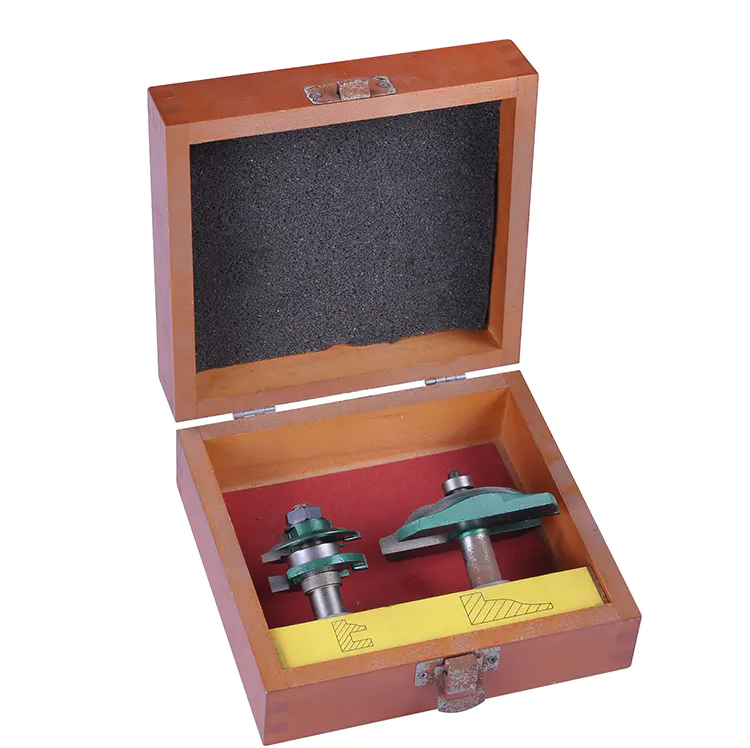
For companies buying wood drill bits in bulk, picking the right manufacturer isn't something to take lightly. A good supplier does more than just ship out orders on time — they're also the reason a product stays consistent batch after batch, why customers keep coming back, and why business relationships actually last.
Given how many manufacturers are out there, buyers really can't just go by surface-level specs anymore. It helps to dig a bit deeper — looking at things like production capacity, how quality control is actually handled, whether customization is realistically supported, and how easy (or difficult) it is to communicate with the supplier. All of that ends up shaping whether a business ends up with the right fit or not.
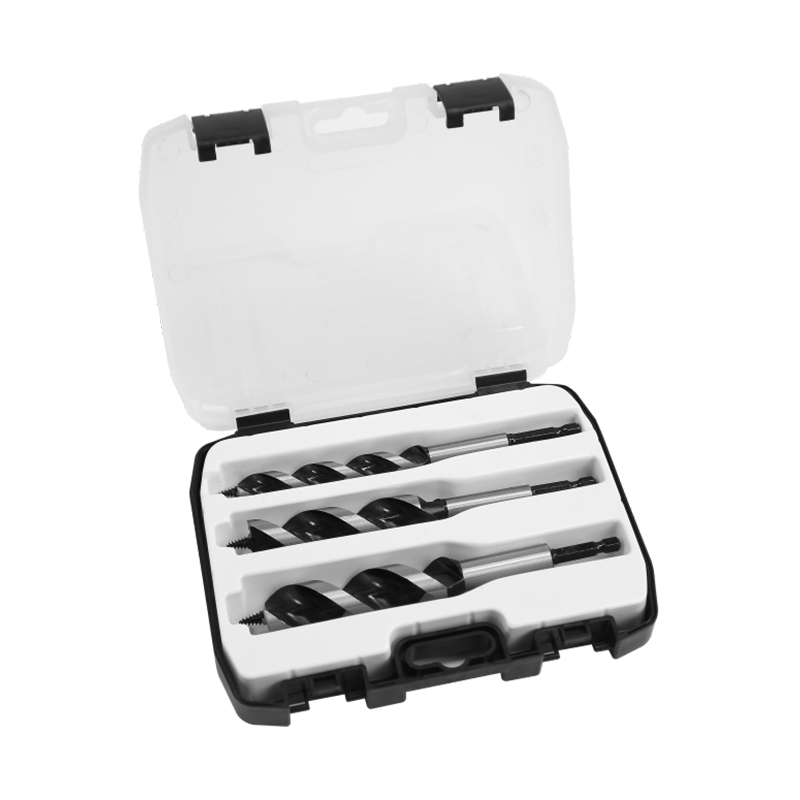
Wood drill bits are designed for creating holes in different types of wood materials. They are widely used in furniture production, woodworking workshops, construction applications, and home improvement projects.
Although different drill bits may look similar, their performance can vary depending on design, material selection, and manufacturing processes.
Common types of wood drill bits include:
| Type | Common Application |
|---|---|
| Twist Wood Drill Bits | General woodworking tasks |
| Spade Drill Bits | Creating larger openings in wood |
| Auger Drill Bits | Deep drilling applications |
| Countersink Drill Bits | Combining drilling and surface finishing |
Understanding these basic categories helps buyers communicate their needs more clearly with manufacturers.
A suitable manufacturer should not only produce drill bits but also understand different application requirements. This knowledge allows them to recommend suitable options based on customer needs.
How long a manufacturer has been around often tells you quite a bit — not just about their product line, but about whether they actually get what customers need.
Companies that have spent years making tools tend to have worked out most of the kinks in their process already. They've seen the typical problems come up before, they know which materials actually perform well over time, and they've dealt with enough customers to understand what people are really asking for.
A few things tend to come with that kind of experience:
None of this means a newer manufacturer can't make good products — plenty do just fine. It's more that having a track record gives buyers something concrete to go on when trying to judge who's actually worth partnering with.
If a business is looking at this as a long-term relationship rather than a one-off order, knowing a manufacturer's history can take a lot of guesswork out of the decision.
Production capability is an important factor when selecting a wood drill bits manufacturer. A supplier should have enough resources to handle regular orders while maintaining consistent product quality.
Manufacturing capability includes several areas:
Production Management
A well-organized production system helps ensure smoother order handling. Clear processes reduce unexpected delays and improve cooperation efficiency.
Equipment and Facilities
Suitable manufacturing equipment supports stable production. Modern facilities can help improve consistency during different stages of manufacturing.
Workforce Skills
Skilled workers play an important role in tool production. Experience in handling materials, processing, and inspection can influence the final product.
A manufacturer does not need to be the largest company in the market. What matters is whether their production ability matches the buyer's requirements.
Quality control is one of the most important areas when choosing a wood drill bits manufacturer. Drill bits are small products, but even small differences can affect their use.
A dependable manufacturer should have clear inspection procedures throughout production.
Important quality control areas may include:
| Quality Factor | Why It Matters |
|---|---|
| Material selection | Influences product consistency |
| Production process control | Helps maintain stable results |
| Surface inspection | Supports appearance and usability |
| Final checking | Reduces issues before delivery |
Quality management is not only about checking finished products. It involves controlling each stage of production.
Manufacturers that pay attention to quality details often create stronger trust with buyers.
Not every business needs the exact same thing from a supplier. Some buyers are perfectly happy with standard, off-the-shelf products, while others really need something more tailored — whether that's a custom design or specific packaging.
This is where a manufacturer's ability to customize actually starts to matter. Having that flexibility can make a real difference depending on what a business is trying to do.
Customization usually shows up in a few common forms:
For companies selling woodworking tools under their own brand name, this kind of flexibility can go a long way in helping them stand out rather than blending in with everyone else selling similar tools.
Before jumping into a partnership, it's worth having a straightforward conversation about what customization is actually possible. Getting clear on this early on saves a lot of back-and-forth confusion once production is already underway.
Communication is one of those things that's easy to overlook, but it ends up shaping almost every part of how a partnership actually plays out.
A manufacturer might make a perfectly good product, but if communication breaks down, things can get messy fast — during ordering, mid-production, or right around delivery, when timing matters most.
A few signs usually point to good communication:
When you're dealing with international business, it's never just about exchanging products for payment. It really comes down to both sides actually working together throughout the process.
A supplier that pays attention and responds clearly tends to make the whole buying experience feel a lot less stressful — and honestly, that alone can be worth a lot.
Comparing manufacturers requires looking at multiple factors instead of focusing on one area.
A simple evaluation method can include:
| Evaluation Area | Questions Buyers Can Ask |
|---|---|
| Product range | Can the manufacturer provide suitable options? |
| Manufacturing ability | Can they support regular orders? |
| Quality system | Are inspection processes organized? |
| Customization | Can they handle special requirements? |
| Communication | Is cooperation efficient? |
Price is also an important consideration, but it should not be the only factor.
A lower price may not always represent better value if it affects consistency, delivery reliability, or after-sales support.
A balanced evaluation helps businesses find a supplier that matches their long-term goals.
Before confirming cooperation, buyers should collect enough information about the manufacturer.
Useful questions may include:
These questions help buyers understand whether the manufacturer is suitable for their business model.
Open communication before ordering can prevent misunderstandings and create a stronger foundation for future cooperation.
A successful supplier relationship is based on more than one transaction. It depends on trust, consistency, and shared understanding.
Reliable manufacturers usually focus on continuous improvement. They pay attention to customer feedback and adjust their services according to market changes.
Long-term cooperation often brings benefits for both sides. Buyers gain a stable supply source, while manufacturers build stronger market relationships.
This relationship becomes especially valuable for businesses that need regular product supply and consistent quality.
The woodworking tool market continues to change as customer expectations develop. Buyers now look for more than basic products. They want suppliers who understand applications and provide flexible support.
Manufacturers are paying more attention to:
These changes encourage manufacturers to improve their processes and provide more complete services.
For buyers, this creates more opportunities but also requires more careful evaluation when selecting suppliers.
A wood drill bits manufacturer is not only a product source. It is a business partner that can influence supply stability and customer experience.
The right supplier understands market needs, maintains consistent production, and supports cooperation through effective communication.
For companies purchasing woodworking tools, choosing a manufacturer requires careful consideration. Looking at experience, production ability, quality management, customization options, and service support can help create a stronger partnership.
KEEP IN ToUCH

Rongcheng specializes in manufacturing and exporting wood planer bits, auger bits, shovel bits, spade bits, chisels, hammer bits and carbide, etc.
contact us
Address: Shangbutou, Qingjiang, Yueqing, Zhejiang, China
Tel: +86-577-62271200
FAX: +86-577-62276882
E-mail: [email protected]
Follow us

Carbide Hammer Drill Tools Manufacturer

 English
 русский
 Español
 中文简体
中文简体