2026-07-24
For industrial bulk buyers, cost is usually their first consideration. When shopping around for CNC milling cutters, they will inevitably compare prices between different products. Even so, the price tag alone can't reflect a tool's actual worth.
Cheaper cutters might catch buyers' eyes fast, but many other factors affect long-term usage. Uniform cutting performance, stable running during processing, after-sales support, and whether the tool fits your machining jobs all weigh heavily on final orders.
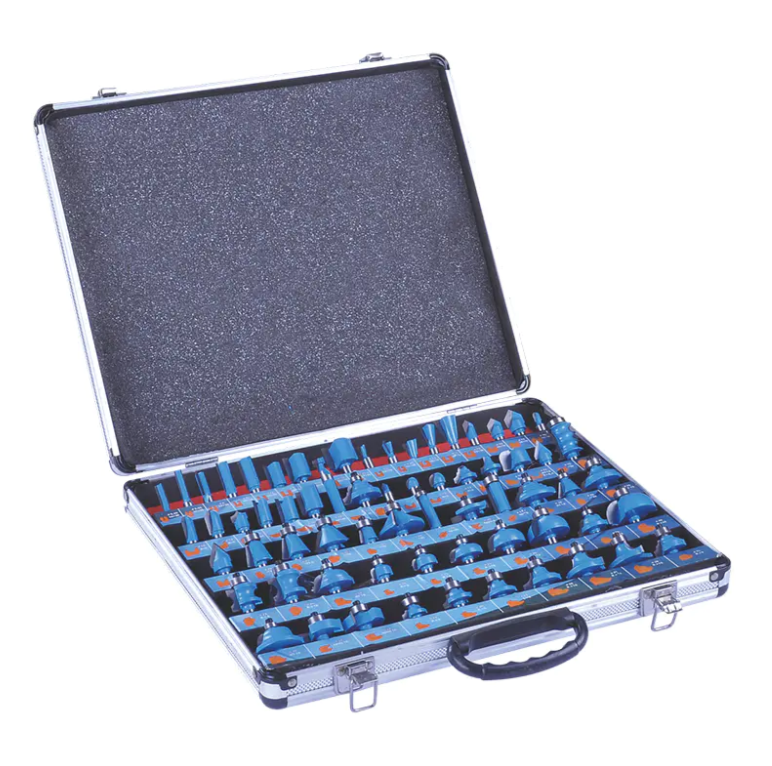
People's attitudes toward CNC cutter pricing are shifting these days. More purchasers no longer only fixate on the figure; they start to calculate what benefits they get for their money. This change forces tool manufacturers, distributors and processing plant operators to rethink how they evaluate cutting tools.
Price plays an important role in purchasing decisions, but it is only one part of the picture. A CNC milling cutter is connected with daily production activities. Its value is reflected through how it supports regular operations.
A product with a lower initial cost may appear attractive. However, users often consider whether it matches their working needs. If a cutter does not perform consistently or requires frequent replacement, the original price may not represent the full cost of use.
Many buyers now evaluate products from a wider perspective. They consider:
| Consideration | Why It Matters |
|---|---|
| Product consistency | Helps maintain stable working results |
| Service support | Provides assistance during purchasing and use |
| Suitable design | Matches different application needs |
| Usage experience | Influences daily workflow |
| Long-term value | Affects overall purchasing decisions |
This approach allows buyers to make decisions based on practical needs rather than focusing only on price differences.
CNC milling cutters come with a wide range of price tags, and the gaps stem from multiple key areas: how they're made, raw material picks, structural design, and brand market positioning.
The production techniques manufacturers use make a real difference. Separate manufacturing workflows lead to obvious gaps in surface finish, consistent cutting performance and how the tool handles during machining.
Raw material grades also drive price variation. Cutters are built to handle different metal processing tasks, and the base materials chosen directly decide if a tool works well for a specific machining job.
Design details push costs up or down too. Some cutters are made for universal everyday machining, while others are engineered exclusively for tough, specialized working scenarios. More refined, targeted design work adds to production expenses.
Supplier service standards add another layer of cost difference. Vendors offer varying degrees of technical communication, custom tool modification and post-purchase support. All these extra services count toward the full value buyers pay for.
Price comparison requires more than checking numbers from different suppliers. A meaningful comparison looks at what each option offers.
Buyers often begin with basic questions:
These questions help create a more complete evaluation.
A simple comparison method can be shown below:
| Comparison Point | Price-Focused View | Value-Focused View |
|---|---|---|
| Initial cost | Looks at purchase amount | Considers overall benefit |
| Product choice | Focuses on cheaper options | Focuses on suitable options |
| Supplier selection | Compares offers | Evaluates support and reliability |
| Long-term use | Looks at short-term spending | Considers continuous needs |
A value-focused approach helps buyers avoid making decisions based on price alone.
A CNC milling cutter needs to fit the working environment where it will be used. Suitability often determines whether a product can provide meaningful value.
Different industries and applications may have different expectations. Some users focus on stable operation. Others may pay more attention to flexibility or convenience.
A cutter that matches the application can support smoother workflows. When a product is not suitable, even a lower purchase price may create additional challenges.
This is why experienced buyers often study product information carefully before ordering. They want to understand whether the cutter fits their actual needs instead of simply choosing the lowest-priced option.
Suitability connects price with practical results. It helps explain why two products with different prices may both attract buyers for different reasons.
Supplier service has become an important part of CNC milling cutter purchasing. Buyers are not only purchasing a physical product. They are also building a working relationship.
Clear communication helps reduce confusion during the selection process. Suppliers who understand customer needs can provide more suitable suggestions and support.
Service may include:
These factors may not appear directly in the product price, but they influence the overall purchasing experience.
For many businesses, reliable communication saves time. It allows problems to be addressed more efficiently and helps create smoother cooperation between buyers and suppliers.
Industrial buyers now judge purchases in a whole new way. Instead of only worrying about upfront costs, they start planning for their long-term production demands.
Long-term value covers several practical points: how well the cutters hold up through constant machining, steady stock supply, and reliable cooperation with suppliers over years.
Many purchasers are willing to accept a moderately higher price if the tool can keep their daily machining running smoothly. This doesn't mean pricier products are always the better pick. It just shows buyers weigh more factors before placing orders.
Focusing on long-term value is all about striking a balance. It ties together tool performance, workshop processing needs and the CNC Milling Cutter Factory's overall production plans.
Price comparison can become complicated when buyers focus on only one aspect. Several common mistakes may affect purchasing decisions.
Ignoring Application Needs
A product may have an attractive price, but if it does not fit the working environment, the decision may create difficulties later. Understanding actual needs helps avoid unsuitable choices.
Overlooking Supplier Support
Some buyers compare prices without considering communication quality. A supplier that provides useful guidance can make the purchasing process smoother.
Focusing Only on Initial Spending
The purchase price is visible immediately, but the overall experience develops over time. Buyers often benefit from considering future requirements as well.
Comparing Different Products Without Context
Not all CNC milling cutters serve the same purpose. A fair comparison requires looking at similar product types and usage situations.
Avoiding these mistakes helps buyers develop a clearer understanding of value.
The market for machining tools continues to develop as users become more informed. Buyers now have access to more choices and more information.
This has changed the way products are evaluated. Instead of asking only, "How much does it cost?" many buyers also ask, "What does this price include?"
Manufacturers and suppliers are responding by paying more attention to product communication, user experience, and service quality.
The relationship between price and value is becoming more connected. A competitive price remains important, but it is increasingly viewed together with reliability, suitability, and support.
CNC milling cutter price comparison is no longer just about finding a lower number. It is about understanding the complete value behind each choice.
KEEP IN ToUCH

Rongcheng specializes in manufacturing and exporting wood planer bits, auger bits, shovel bits, spade bits, chisels, hammer bits and carbide, etc.
contact us
Address: Shangbutou, Qingjiang, Yueqing, Zhejiang, China
Tel: +86-577-62271200
FAX: +86-577-62276882
E-mail: [email protected]
Follow us

Carbide Hammer Drill Tools Manufacturer

 English
 русский
 Español
 中文简体
中文简体