2026-07-17
In a machining workshop, every production task has its own challenges. A part may require a different cutting approach because of its shape, material, or production purpose. Even companies working in the same industry may have completely different tool requirements.
For this reason, CNC milling cutters are not treated as simple replacement parts. They are closely connected with daily machining work. A suitable cutter can influence the working process, while an unsuitable choice may create unnecessary adjustments and delays.
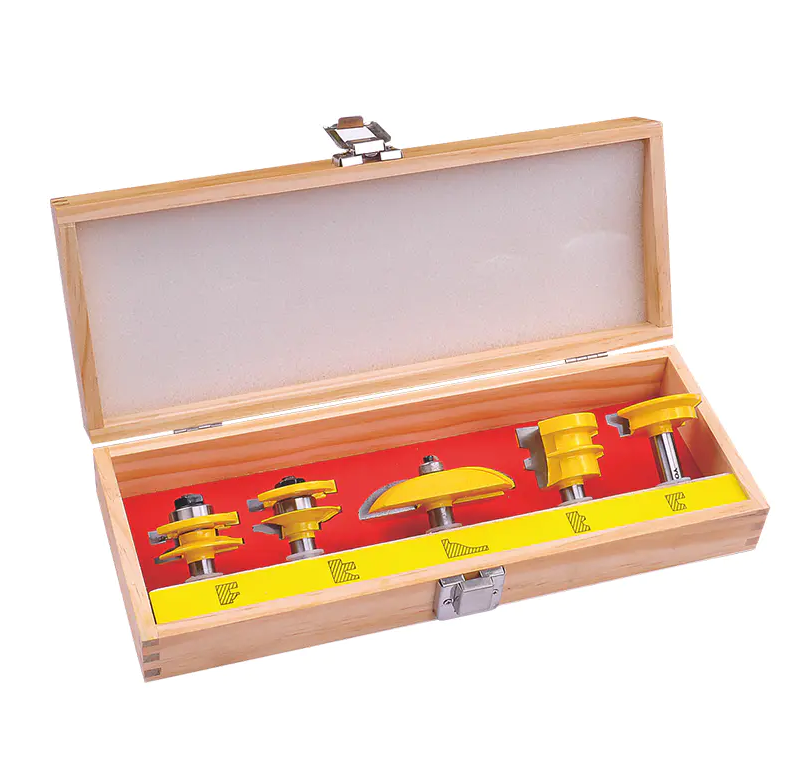
This is where a CNC milling cutter supplier plays an important role. Modern suppliers are no longer only focused on sending products after receiving an order. Many companies now work with customers to understand their applications and offer suggestions based on real machining conditions.
For manufacturers, finding a supplier who understands their needs can make tool selection easier. It also creates a stronger connection between the tool provider and the production process.
Machining requirements are becoming more varied. A factory producing simple parts may have different expectations from a company handling complex components. The same type of cutter may not perform in the same way across different working situations.
Many purchasing decisions start with a basic question: what kind of tool fits the actual job?
A CNC milling cutter supplier can help answer this question by learning more about the customer's production environment.
Before recommending a product, suppliers may need to understand:
| Customer Situation | Information Suppliers May Consider |
|---|---|
| Production type | What kind of parts are being processed |
| Working conditions | How the tools are used in daily operations |
| Project requirements | What challenges the customer wants to solve |
| Future plans | Whether the demand may change over time |
This communication is valuable because buyers often know their production goals, while suppliers have experience with different tool applications.
The cooperation between both sides helps create a clearer direction before purchasing.
Choosing a CNC milling cutter is not simply a matter of selecting a product from a catalog. A buyer may see many available options, but the most suitable choice depends on the actual machining situation.
A supplier with practical experience usually looks beyond the product name. They pay attention to how the cutter will be used.
For example, a manufacturer producing precision parts may focus on stability during processing. Another company working on general components may care more about flexibility for different tasks.
Suppliers often consider several points during communication:
This process allows buyers to avoid making decisions based only on basic descriptions.
Many manufacturing companies prefer suppliers who can explain the differences between available options in a simple way. Clear advice helps customers understand why one choice may fit their needs better than another.
A good supplier relationship often begins with a conversation rather than a purchase order.
Different industries create different demands for CNC cutting tools. A supplier serving various customers needs to understand that there is no single solution for every situation.
In mold production, for example, companies may focus on detailed processing and consistent results. In general manufacturing, businesses may need tools that match frequent production activities.
Common application areas include:
| Industry Area | Typical Machining Needs |
|---|---|
| Mold making | Support for detailed part processing |
| Automotive manufacturing | Stable production requirements |
| Equipment production | Flexible machining support |
| Metal component processing | Suitable tool selection for different jobs |
| General manufacturing | Tools for daily production activities |
A CNC milling cutter supplier with knowledge across different industries can communicate more effectively with customers.
When buyers explain their challenges, experienced suppliers can often identify important details that may be overlooked during purchasing.
This kind of support is especially useful for companies that handle different projects instead of repeating the same machining task every day.
Standard products can meet many common machining needs, but some projects require more specific solutions.
Manufacturers may face unusual production conditions. They may need tools that fit a special application or a new project under development.
In these situations, supplier support becomes more important.
Custom requirements often involve:
Understanding the Application
Before suggesting a solution, suppliers need to understand why the customer needs a different option. The purpose behind the request is often more important than the request itself.
Discussing Possible Solutions
Customers and suppliers can communicate about available choices and find a direction that matches the project.
Adjusting Future Supply Plans
For businesses with changing production needs, suppliers may need to provide flexible cooperation methods.
Customization is not only about changing a product. It is also about improving communication between the manufacturer and the customer.
When suppliers understand the customer's production environment, they can offer more practical support.
In manufacturing, experience often comes from handling different situations. A supplier that has worked with various customers may have a broader understanding of common machining challenges.
This experience can become useful during purchasing.
A company may encounter questions such as:
An experienced CNC milling cutter supplier can provide information based on previous customer interactions and industry knowledge.
However, every project is different. Good suppliers do not simply copy previous solutions. They listen to the customer's situation and adjust their suggestions accordingly.
For manufacturers, this type of cooperation can save time during the selection process.
A supplier who understands machining is not only a product source. They can also become a communication partner during production planning.
The relationship between buyers and suppliers often continues after the order is placed.
Many manufacturing companies need stable support because machining operations do not stop after one purchase. Future projects may require different tools or new purchasing arrangements.
Supplier services may include:
| Service | Why It Matters |
|---|---|
| Product guidance | Helps buyers understand available choices |
| Order communication | Reduces confusion during purchasing |
| Application discussion | Connects tools with actual needs |
| Long-term cooperation | Supports future production planning |
For companies with regular machining activities, a dependable supplier relationship can make daily management easier.
A supplier who understands previous orders and production requirements can communicate more efficiently when new needs appear.
This is especially useful for businesses that handle multiple projects and need flexible purchasing support.
Selecting a supplier requires more than comparing product prices. Manufacturing companies usually need to consider whether the supplier can meet their long-term requirements.
Several areas can influence the decision.
Product Knowledge
A supplier should understand CNC milling cutters and their applications. Basic product information is useful, but practical understanding is often more valuable.
Communication Process
Clear communication helps both sides understand expectations. This includes discussing product needs, order details, and possible challenges.
Supply Ability
Companies with ongoing production need suppliers who can manage regular cooperation.
Service Approach
Support before and after purchasing can affect the overall experience.
For buyers, the right supplier is not always the one offering the simplest option. It is often the one that understands the production situation and communicates effectively.
The manufacturing industry continues to change. Companies are looking for more flexible production methods and more suitable machining solutions.
This change is also influencing CNC Milling Cutter Manufacturer .
Customers now expect more than product availability. They want suppliers who understand applications, respond clearly, and provide useful suggestions.
The role of a CNC milling cutter supplier is gradually becoming closer to the manufacturing process. Instead of only supplying tools, suppliers are becoming part of the planning and problem-solving process.
As machining requirements become more diverse, communication between manufacturers and suppliers will continue to shape how companies select and manage their cutting tools.
KEEP IN ToUCH

Rongcheng specializes in manufacturing and exporting wood planer bits, auger bits, shovel bits, spade bits, chisels, hammer bits and carbide, etc.
contact us
Address: Shangbutou, Qingjiang, Yueqing, Zhejiang, China
Tel: +86-577-62271200
FAX: +86-577-62276882
E-mail: [email protected]
Follow us

Carbide Hammer Drill Tools Manufacturer

 English
 русский
 Español
 中文简体
中文简体