2026-09-04
Cutting tools begin with materials. Before a tool takes shape, manufacturers need to consider what kind of material will support its intended use. Tungsten carbide is one material that has become closely associated with cutting applications because of its hardness and resistance to wear.
This connection creates an important role for the wholesale market. Tungsten Carbide Wholesale is not simply about moving material from a supplier to a buyer. It can connect material selection with the needs of tool manufacturers. The quality, form, consistency, and availability of the material can all influence what manufacturers can produce.
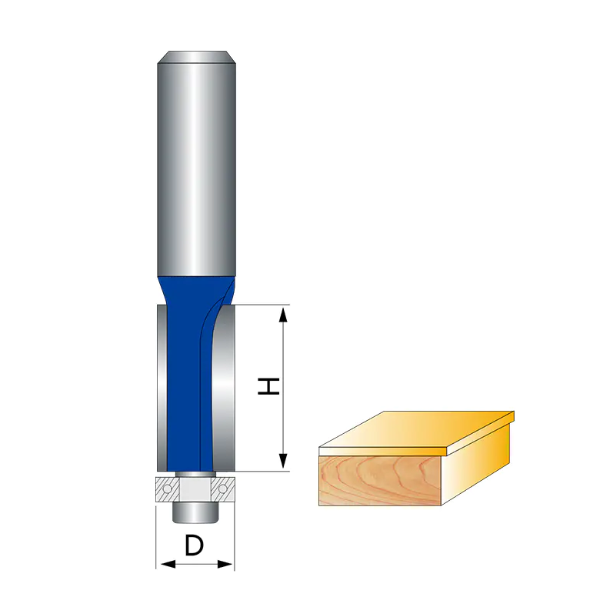
Cutting tool production also involves many different applications. Tools may be used for metalworking, woodworking, mining, construction, and other industrial tasks. Each application can create different material requirements.
This makes wholesale sourcing part of a larger manufacturing relationship. Buyers are not only looking for material. They are looking for material that can fit their production plans.
Tungsten carbide has properties that make it suitable for demanding cutting applications. It is known for being hard and resistant to wear. These characteristics allow it to play a role in tools that need to maintain their working surfaces during repeated use.
Cutting tools experience contact with other materials. Their working edges can gradually change through use. Material choice therefore becomes an important part of tool design.
Manufacturers may use tungsten carbide in different forms depending on the product they are making. The material can become part of a cutting edge, insert, bit, or other tool component.
The connection can be viewed through several stages:
Material selection
Manufacturers identify the material needed for the intended cutting application.
Wholesale sourcing
Buyers look for suitable tungsten carbide through wholesale channels.
Tool production
The material is processed and incorporated into a cutting tool.
Application
The finished tool is used in a specific working environment.
Replacement and repeat demand
Continued tool production creates an ongoing need for suitable materials.
This chain explains why Tungsten Carbide Wholesale has relevance beyond simple material purchasing. It can influence the supply side of cutting tool manufacturing.
Tool manufacturers need a steady flow of suitable materials. Production can become difficult when material availability does not match manufacturing needs.
Wholesale sourcing provides a way for manufacturers to organize material purchasing around their production plans. Instead of treating each purchase as an isolated transaction, buyers can consider their broader production requirements.
Several factors can influence this relationship:
| Wholesale Consideration | Possible Impact on Cutting Tool Production |
|---|---|
| Material Consistency | Supports more predictable manufacturing |
| Product Availability | Helps align supply with production needs |
| Material Form | Can influence how the material fits the intended tool |
| Product Selection | Gives manufacturers more options for different applications |
| Packaging | Helps protect materials during storage and transportation |
| Supplier Communication | Supports clearer purchasing arrangements |
| Repeat Supply | Can help manufacturers plan future production |
The relationship becomes more important when a manufacturer produces several types of cutting tools. Different products may require different material choices.
A wholesale supplier that understands these differences can make material sourcing more practical. Buyers can communicate what they need instead of simply purchasing whatever material is available.
This creates a connection between the material market and the tool production floor.
Tungsten carbide can be found in a broad range of cutting and wear-related tools. Its use is not limited to one industry.
In manufacturing environments, it can become part of tools used to work with different materials. The exact design depends on the intended application, but the underlying reason remains similar: manufacturers need a material that can withstand repeated contact and wear.
Common application areas include:
These applications create different purchasing needs.
A mining tool manufacturer may focus on material suited to heavy working conditions. A woodworking tool producer may have different requirements related to edge performance and tool design.
This is why wholesale sourcing cannot always follow a one-size-fits-all approach.
A cutting tool is not created from material alone. The material needs to work with the shape and purpose of the finished product.
Manufacturers may consider the type of material being cut, the working environment, the expected use, and the desired tool design. Tungsten carbide can then be selected as part of that broader decision.
The relationship between material and tool can be understood through several questions:
What will the tool cut?
Different materials can place different demands on a cutting edge.
Where will the tool be used?
A factory environment may create different conditions from construction or outdoor work.
How often will the tool be used?
Repeated use can increase the importance of wear resistance and material stability.
What type of tool is being produced?
A small cutting component may have different material requirements from a larger industrial tool.
These questions help explain why wholesale buyers need to communicate clearly with material suppliers.
The goal is not simply to purchase tungsten carbide. The goal is to obtain a material that makes sense for the intended cutting tool.
Cutting tool manufacturers often need their materials to behave in a predictable way during production. If the material changes noticeably from one supply to another, production may become harder to manage.
Consistency can matter at several points.
It can influence how the material is processed. It can affect the appearance and behavior of finished components. It can also make it easier for manufacturers to maintain familiar production routines.
Wholesale buyers may therefore look beyond the purchase price.
They may ask about:
Material consistency
Does the material remain reasonably consistent between purchases?
Product classification
Is the material clearly identified according to its intended use?
Supply continuity
Can the supplier support repeat purchasing needs?
Inspection practices
Does the supplier have a clear way to check the material before shipment?
Communication
Can the buyer discuss specific material requirements with the supplier?
These questions can help reduce uncertainty during sourcing.
For cutting tool manufacturers, material consistency is connected with production planning. A reliable material supply can make it easier to maintain an established manufacturing process.
The cutting tool market is not limited to one type of customer. Different industries use cutting products for different purposes.
A wholesale supplier may therefore serve several types of tool manufacturers. Each buyer can have a different purchasing pattern.
| Industry | Potential Cutting Tool Needs |
|---|---|
| Metalworking | Tools for cutting and shaping metal |
| Woodworking | Saws, cutters, and related products |
| Mining | Tools for working with hard materials |
| Construction | Drilling and cutting products |
| Manufacturing | Tools for repeated industrial operations |
| Maintenance | Replacement and repair-related tools |
This diversity creates opportunities for wholesalers to offer a wider material selection.
It also means that buyers need to communicate their applications clearly. A material suitable for one type of tool may not automatically be suitable for another.
The wholesale market acts as a bridge between these requirements and available materials.
Manufacturers can explain their tool applications. Suppliers can then help buyers identify material options that fit those needs.
This type of communication can make purchasing more efficient.
Wholesale purchasing can influence manufacturing beyond the material itself. It can affect production planning, inventory management, and supplier relationships.
A cutting tool manufacturer needs to balance material availability with production demand. Holding too little material may create supply pressure. Holding too much can create storage concerns.
This makes purchasing strategy relevant.
Manufacturers may organize their sourcing around several factors:
Production planning: Material purchasing can be linked with expected tool production.
Inventory management: Buyers can decide how much material is appropriate for their normal workflow.
Supplier relationships: Repeat purchases can encourage clearer communication about future needs.
Product variety: Different tool products may require different material options.
Cost awareness: Buyers can consider the overall purchasing process rather than focusing on a single price point.
Wholesale suppliers can support this process by providing clear product information and consistent communication.
The relationship becomes more useful when both sides understand the role of the material in the finished tool.
Choosing a wholesale supplier involves more than checking whether tungsten carbide is available. Buyers need to consider whether the supplier can support their particular application and purchasing routine.
Several practical points can help guide the selection process.
1. Understand the Intended Application
Buyers should know what type of cutting tool they plan to produce. This gives the supplier a clearer picture of the material requirements.
2. Review Material Options
Different tool designs may call for different material choices. Buyers can compare available forms and grades according to their intended application without relying on a single general option.
3. Consider Supply Stability
A cutting tool manufacturer may need to purchase the same type of material repeatedly. Stable supply can make production planning easier.
4. Ask About Product Consistency
Material consistency can influence manufacturing routines. Buyers may want to understand how the supplier manages product checks.
5. Consider Communication
Clear communication can prevent misunderstandings about material requirements, packaging, and delivery arrangements.
6. Look Beyond the Initial Purchase
The relationship between a wholesaler and manufacturer may continue through repeated orders. A supplier that can understand changing production needs can become part of a longer purchasing process.
These considerations help buyers connect their material decisions with the actual needs of tool production.
Cutting tools continue to serve many industrial activities. As manufacturers produce different tools for different applications, material sourcing also needs to remain flexible.
Tungsten carbide wholesale sits within this wider supply chain. Its role begins with material supply but extends into production planning and tool development.
Manufacturers may increasingly look for suppliers that can provide more than a product name on a quotation. They may want clearer material information, stable communication, suitable product choices, and support for repeat purchasing.
This creates a closer relationship between wholesale material suppliers and cutting tool manufacturers.
The material is only one part of the final product. Its selection can influence how a tool is designed, produced, and used. Wholesale sourcing provides the connection that allows manufacturers to move from raw material requirements toward finished cutting tools.
As cutting tool applications continue to vary across industries, this connection can remain an important part of the manufacturing supply chain.
KEEP IN ToUCH

Rongcheng specializes in manufacturing and exporting wood planer bits, auger bits, shovel bits, spade bits, chisels, hammer bits and carbide, etc.
contact us
Address: Shangbutou, Qingjiang, Yueqing, Zhejiang, China
Tel: +86-577-62271200
FAX: +86-577-62276882
E-mail: [email protected]
Follow us

Carbide Hammer Drill Tools Manufacturer

 English
 русский
 Español
 中文简体
中文简体