2026-08-28
Construction work often involves repeated preparation, installation, repair, and renovation tasks. Drilling into concrete, working through masonry, removing sections of material, and preparing spaces for fixtures can all become part of the same project.
This is where a SDS Drill can fit into demanding work routines.
Unlike a tool used for occasional light drilling, a heavy duty SDS drill is generally selected when a job involves repeated work on hard building materials. Its design is intended to support drilling and chiseling applications while giving users a practical way to move between related tasks.
The appeal is not limited to the power of the tool. Handling, control, tool compatibility, work modes, and maintenance can also influence how well a drill fits a particular job.
As construction and renovation projects become more varied, buyers are paying closer attention to how one tool can support several tasks without making the workflow unnecessarily complicated.
Repeated drilling can place different demands on a tool than occasional work.
A worker may need to prepare several holes for fixtures, supports, pipes, cables, or other building components. The same basic action may be repeated across a work area.
A suitable SDS Drill can support this type of workflow by providing a tool format designed around drilling in hard materials.
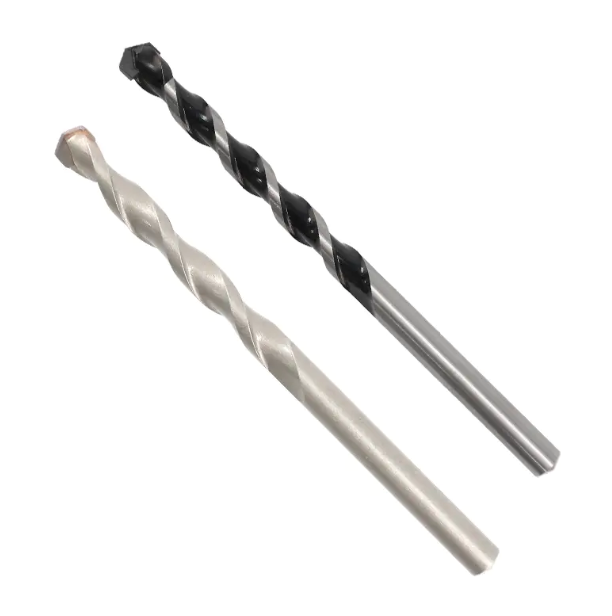
The SDS system also makes it practical to use compatible drill bits and accessories for different applications.
The exact accessory depends on the material and task.
For example, concrete drilling may require a different bit from masonry work. The user should select accessories according to the tool manufacturer's instructions and the intended application.
Repeated work also makes handling important.
A tool that is difficult to control can make a routine task feel more demanding. Grip design, balance, switch placement, and overall handling can influence the user's experience.
This is why a heavy duty drill should be considered as a complete tool rather than simply a source of drilling force.
Drilling and chiseling are different tasks, but they often appear within the same project.
A worker may drill holes for installation and then need to remove a small section of masonry or concrete. Renovation work can involve opening spaces, removing material, or preparing surfaces.
An SDS drill with suitable operating functions can support both types of work.
The drilling function is used when material needs to be penetrated. Chiseling is used when material needs to be broken, removed, or shaped.
This flexibility can reduce the need to switch between unrelated tools.
| Task | Possible Use of an SDS Drill |
|---|---|
| Concrete Drilling | Preparing holes for installation |
| Masonry Drilling | Creating openings for fixtures |
| Surface Chiseling | Removing selected material |
| Tile Removal | Supporting renovation work |
| Mortar Removal | Preparing areas for repair |
| Material Breaking | Removing small sections during construction |
The right function depends on the job.
Users should always follow the manufacturer's instructions and use accessories intended for the selected application.
The advantage of having related functions in one tool is mainly about workflow. When drilling and chiseling appear in the same project, a versatile tool can make transitions between tasks more convenient.
Construction sites contain many different drilling and chiseling requirements.
A SDS Drill may be used in building construction, renovation, installation, maintenance, and repair work.
Typical applications include preparing holes for anchors, creating openings for services, removing tiles, working on masonry, and shaping selected areas of hard material.
The tool may also be useful during installation work.
Electrical and plumbing projects often require openings through walls or other building materials. The drill can help prepare these spaces when the selected tool and accessory are suitable for the application.
Different projects create different demands.
| Work Area | Example Application |
|---|---|
| Building Construction | Hole preparation and installation |
| Renovation | Material removal and surface preparation |
| Plumbing Work | Preparing openings for pipe installation |
| Electrical Work | Creating spaces for cables and fixtures |
| Masonry Work | Drilling and selected chiseling |
| Maintenance | Repair and modification tasks |
| Interior Remodeling | Tile and material removal |
These applications do not mean every SDS drill is suitable for every task.
The user should check the tool's intended use before beginning work. Material type, accessory selection, working environment, and project requirements all matter.
Repeated drilling can make tool handling more noticeable.
When a task is performed many times, small differences in grip and balance can affect how comfortable the work feels.
A SDS Drill may have a larger structure than a compact drill because it is designed for more demanding applications. This makes handling an important part of product selection.
The grip should allow the user to maintain control.
The switches should be accessible.
The tool should also feel reasonably balanced in the working position.
These factors can influence how easily a worker moves from one hole to another or changes from drilling to chiseling.
A useful approach is to think about the entire movement involved in the job.
The user may need to lift the tool, position it, begin drilling, stop, reposition, and repeat the process. During chiseling, the user may need to guide the tool along a surface or control the direction of material removal.
Practical handling supports these repeated actions.
An SDS drill is only as useful as the accessories available for the intended work.
Drill bits and chisels are designed for different applications. Choosing an unsuitable accessory can affect the work result and may also create unnecessary wear.
This makes accessory compatibility an important consideration when selecting a SDS Drill.
Buyers should check which accessories are supported by the tool.
For drilling, the selected bit should match the material and the required application. For chiseling, the chisel type should match the type of material removal required.
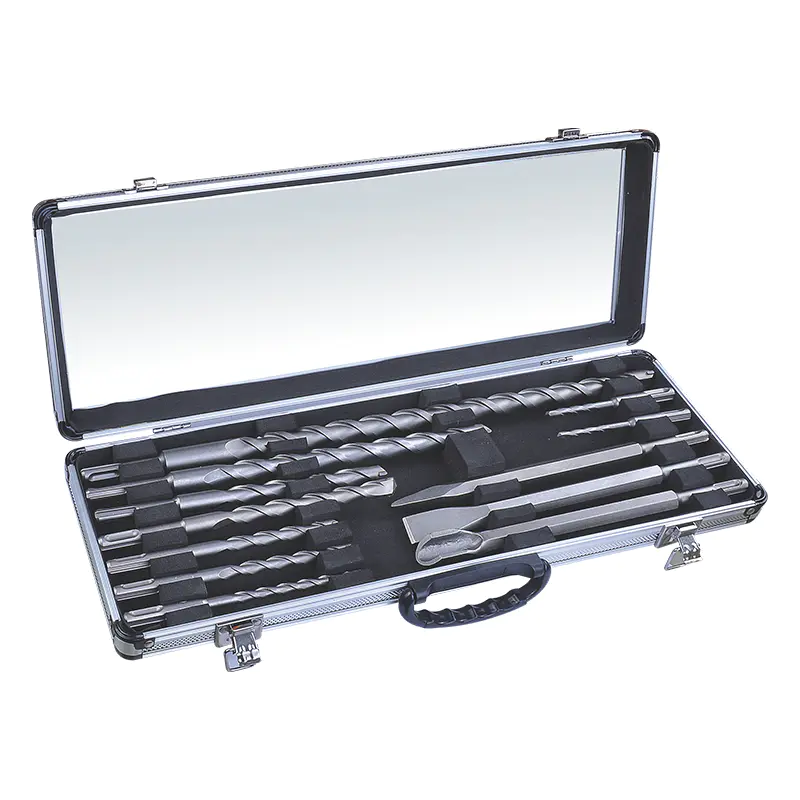
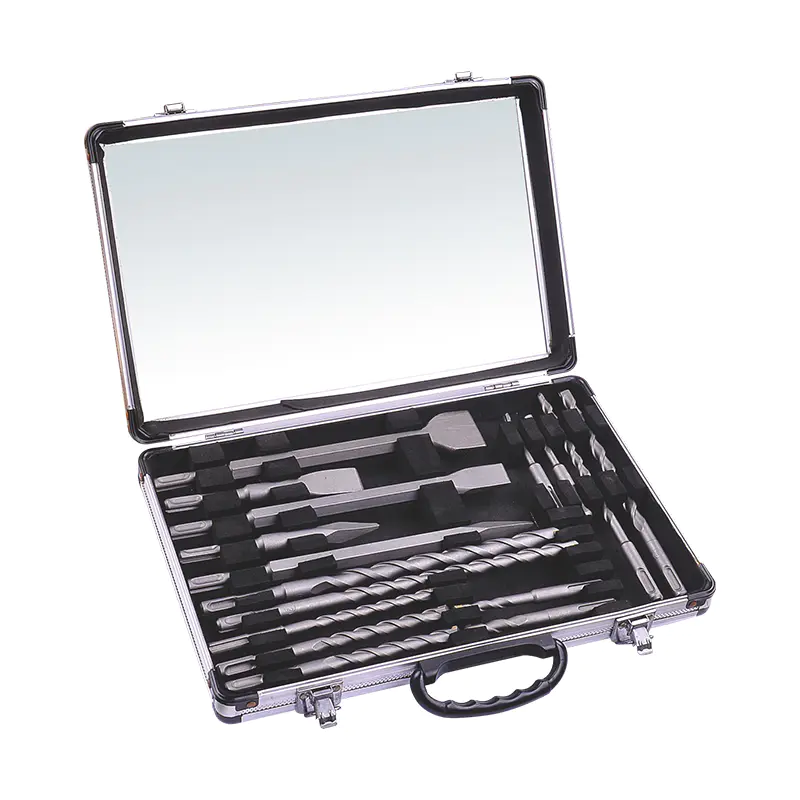
Common accessory categories can include:
The exact accessory range varies between tools.
Users should not assume that every SDS accessory works with every drill. Checking compatibility before purchase can prevent unnecessary problems.
Accessory storage can also influence daily use.
When several accessories are required on a jobsite, organized storage can make switching between tasks easier.
A tool used in a workshop may face different conditions from one used on a construction site.
Space, material type, working position, access, and frequency of use can all influence the choice.
A renovation worker may need to operate in rooms with limited space. A construction worker may work around larger concrete structures. A maintenance worker may need to carry the tool between different locations.
The working environment can therefore influence which design features matter.
For example, a user working in a confined area may place more attention on handling and movement. Someone performing repeated drilling may focus more on durability and ease of operation.
Noise, dust, and debris should also be considered.
Users should follow appropriate workplace safety practices and wear protective equipment suitable for the task.
A SDS Drill is not a replacement for proper jobsite procedures.
It is one part of a larger working system.
Renovation is one area where drilling and chiseling often appear together.
Removing old tiles may be followed by surface preparation. Creating an opening may be followed by drilling for a new fixture. A wall modification may involve both material removal and hole preparation.
This combination makes a versatile SDS drill useful for certain renovation workflows.
For example, a worker may use a suitable chisel to remove tile or mortar. The tool can then be changed to a compatible drilling accessory for preparing a new installation point.
The transition can be straightforward when the tool and accessories are designed to work together.
| Renovation Task | Tool Function |
|---|---|
| Tile Removal | Chiseling |
| Mortar Removal | Chiseling |
| Surface Preparation | Chiseling or light material removal |
| Fixture Installation | Drilling |
| Wall Opening Preparation | Drilling or selected material removal |
| Repair Work | Drilling and chiseling as required |
The specific application should always be evaluated before work begins.
Older buildings may also contain hidden wiring, pipes, or other materials. Users should take appropriate precautions before drilling or chiseling into existing structures.
Product selection should begin with the actual work.
A buyer who mainly performs concrete drilling may have different needs from someone who regularly combines drilling and chiseling.
Several practical questions can help narrow the options.
1. What Materials Will Be Worked On?
Identify whether the main applications involve concrete, masonry, brick, stone, or other building materials.
2. Will Chiseling Be Part of the Work?
If material removal is a regular task, a drill with suitable chiseling functions may be more practical.
3. How Frequently Will the Tool Be Used?
Repeated work makes handling, maintenance, and durability more relevant.
4. Which Accessories Are Required?
Check whether the drill supports the bits and chisels needed for the intended jobs.
5. How Important Is Tool Handling?
Grip, balance, control, and adjustment can influence daily use.
6. Where Will the Tool Be Used?
Consider whether the work takes place in a workshop, construction site, renovation area, or confined location.
7. How Will the Tool Be Stored and Maintained?
Proper storage and routine care can help keep the tool ready for future work.
These questions can help buyers compare products according to practical needs rather than appearance alone.
A Heavy Duty SDS Drill may become a useful part of a construction toolkit when the work involves repeated drilling, chiseling, renovation, installation, or maintenance. Its usefulness depends on matching the tool, accessory, material, and working environment to the actual task.
For workers handling several related applications, the ability to move between drilling and chiseling can make the daily workflow more organized. Fit, handling, accessory compatibility, and maintenance remain important considerations throughout that process.
KEEP IN ToUCH

Rongcheng specializes in manufacturing and exporting wood planer bits, auger bits, shovel bits, spade bits, chisels, hammer bits and carbide, etc.
contact us
Address: Shangbutou, Qingjiang, Yueqing, Zhejiang, China
Tel: +86-577-62271200
FAX: +86-577-62276882
E-mail: [email protected]
Follow us

Carbide Hammer Drill Tools Manufacturer

 English
 русский
 Español
 中文简体
中文简体