2026-08-21
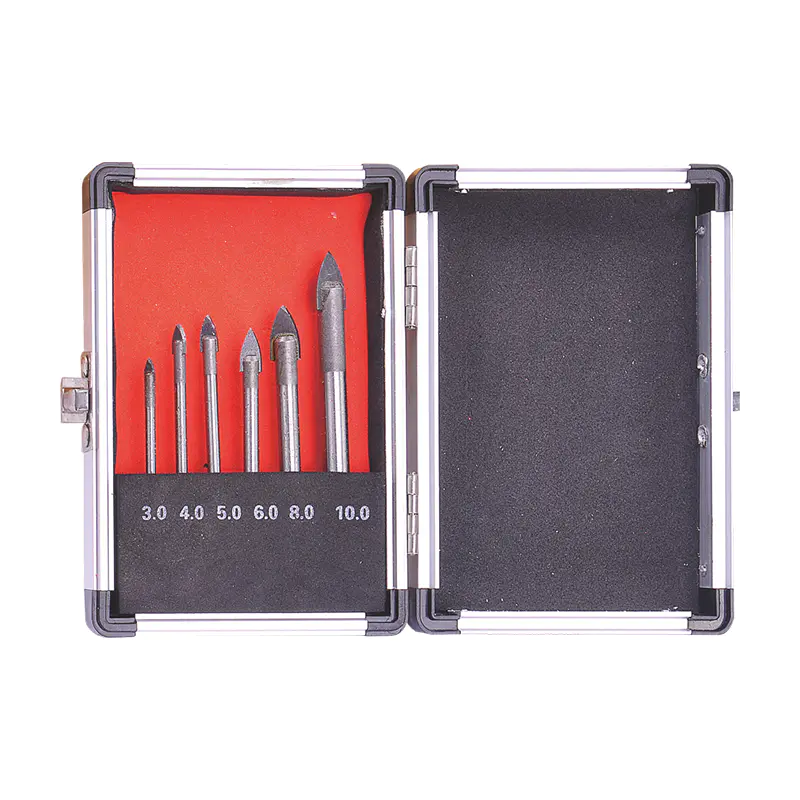
Demand for reliable drilling tools keeps climbing across the glass processing sector, and a glass drill bit factory sits right at the center of that shift. Getting production efficiency right isn't just a nice-to-have anymore — it's become the thing that separates factories that keep customers happy from ones that struggle to keep up.
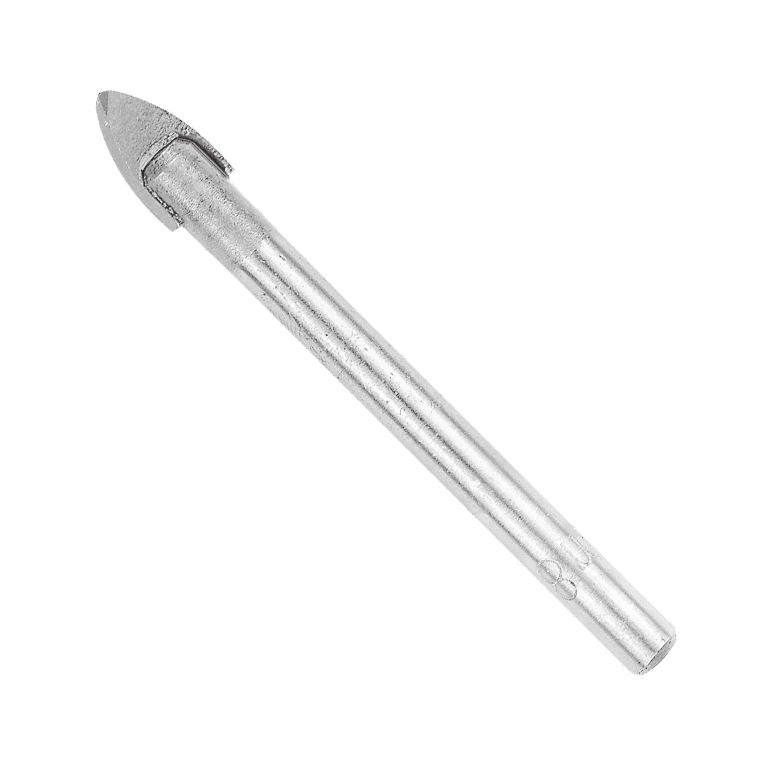
Glass drill bits aren't forgiving tools. They're used for precise drilling work where even small inconsistencies cause problems, so the manufacturing side has to stay tight and well-managed. A factory that runs organized production tends to handle customer demands a lot better while still holding quality steady, even when order volumes spike.
There's also a bigger shift happening beyond just "make more units faster." Factories are rethinking how work moves between stages, trimming out steps that don't add value, and making sure different teams actually talk to each other instead of working in silos. Put together, that's what lets a drill bit factory build something genuinely more flexible.
Efficiency touches almost every part of how a factory runs — planning, stock availability, quality control, even how customer service handles inquiries. Once the manufacturing process is dialed in, resources just get used a lot smarter.
Balancing everything at once is the tricky part. Workers, machines, raw materials, inspection routines — they all have to move together, and a small fix in one corner often ends up smoothing out the whole line.
What tends to happen when efficiency improves:
Customers, honestly, don't just judge the product on its own. They're watching how reliably it gets delivered, how communication flows, whether the factory feels dependable to work with long-term. Efficient production backs up all of that.
This isn't a one-time fix — it's more of an ongoing habit. Factories that stay sharp keep circling back to each production stage, looking for small ways to run things better.
| Manufacturing Area | Improvement Direction |
|---|---|
| Production planning | Better organization of daily tasks |
| Material management | More effective use and storage methods |
| Worker coordination | Clearer communication between teams |
| Quality inspection | More consistent checking procedures |
| Production workflow | Smoother movement between stages |
A clear production plan just makes life easier for workers. They know what's expected of them, and the factory handles incoming orders without scrambling.
None of this needs to be fancy or complicated. Sometimes the smallest, most obvious fix is the one that actually moves the needle day to day.
Quality and efficiency aren't really separate conversations — they feed into each other. A factory that bakes quality into the process from day one avoids a lot of headaches further down the line.
For a glass drill bit factory, that means quality checks shouldn't only happen at the finish line. Catching things early, throughout the process, beats scrambling to fix a batch of finished product that's already gone wrong.
A solid quality approach usually looks like:
Catching issues this early cuts down on rework and stops resources from getting wasted on fixing avoidable mistakes. And when products consistently meet expectations, factories spend less time putting out fires and more time actually improving.
Automation has quietly become a standard part of how modern factories operate. Plenty of glass drill bit factories now lean on automated systems just to keep daily production humming along without constant manual oversight.
What automation actually buys you:
But machines don't replace people here — not even close. Skilled workers still make the calls that matter: spotting subtle issues, adjusting on the fly, improving the process itself. The factories that get this right treat automation and human judgment as partners, not substitutes.
Even with the best equipment and the tightest workflow, it's still people running the show. Skilled hands and sharp eyes matter just as much as they ever did.
Training pays off in a few concrete ways:
When someone actually understands why a step matters, they do it with more confidence — and that confidence shows up in the finished product. Teams that communicate well also just adapt faster when something changes mid-production.
Materials sitting in the wrong place, or nowhere to be found when needed, cause more slowdowns than people expect. Good inventory management keeps that friction out of the process.
| Inventory Practice | Production Benefit |
|---|---|
| Organized storage areas | Easier material access |
| Regular inventory checks | Better production planning |
| Clear management procedures | Reduced confusion |
| Proper material handling | Improved workflow stability |
Solid inventory practices also smooth out communication between purchasing, production, and delivery — three teams that need to be in sync for anything to run on time.
Once materials stop being a daily headache, factories can actually focus their attention on real improvement instead of putting out supply-chain fires.
The industry keeps moving, and glass drill bit factories are adjusting their internal processes to keep pace with what customers expect now.
More focus on flexible production
Different customers need different things depending on application, so factories need systems that flex without falling apart. That flexibility lets a factory juggle varied product requests while still staying organized underneath it all.
Greater attention to sustainable practices
More manufacturers are thinking harder about resource use and environmental impact these days. Smarter planning naturally cuts down on waste, which turns out to be good for both the planet and the bottom line.
Stronger digital management
Digital tools are making it a lot easier to keep track of everything — production records, internal communication, management processes. What used to require a lot of manual tracking now happens almost automatically.
Factories that pay attention to these shifts are moving past old-school production habits, treating continuous improvement as just part of doing business.
Improving production efficiency isn't about any single fix — it's the sum of a lot of practical changes across planning, quality, training, and process management, all working together.
Speed matters, sure, but stability matters just as much. A factory that pays close attention to how every piece fits together ends up more reliable for customers and better equipped to handle whatever shifts the industry throws its way.
As glass processing demands keep evolving, this kind of steady, practical improvement is what will separate the factories built for long-term growth from the ones just getting by.
KEEP IN ToUCH

Rongcheng specializes in manufacturing and exporting wood planer bits, auger bits, shovel bits, spade bits, chisels, hammer bits and carbide, etc.
contact us
Address: Shangbutou, Qingjiang, Yueqing, Zhejiang, China
Tel: +86-577-62271200
FAX: +86-577-62276882
E-mail: [email protected]
Follow us

Carbide Hammer Drill Tools Manufacturer

 English
 русский
 Español
 中文简体
中文简体