 English
 русский
 Español
 中文简体
中文简体

Milling has become an important part of modern machining. A cutting tool may look small compared with the machine around it, but it has a direct role in how a workpiece is shaped.
Among the many options available to manufacturers, CNC milling cutters have attracted continued attention. At the same time, standard milling cutters remain widely used in different machining environments. The two may appear similar at a glance, yet they can serve different purposes depending on the equipment, workpiece, and production method.
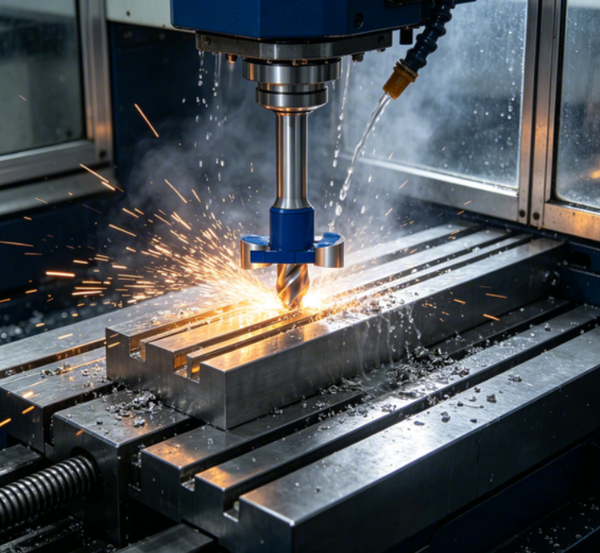
The term China CNC Milling Cutter usually describes milling cutters produced in China for use with CNC machining systems. These cutters are available in different designs and can be developed around different machining requirements. Standard milling cutters, on the other hand, can refer to more general cutting tools used with conventional or less automated milling processes.
The difference is not simply about where a cutter is made. It is also related to how the cutter fits into a machining process.
Understanding these differences can help buyers and manufacturers look beyond appearance and focus on practical use.
What Is the Main Difference Between a China CNC Milling Cutter and a Standard Milling Cutter?
The most noticeable difference is often the way the cutter is expected to work within a machining process.
A CNC milling cutter is generally designed for use with computer-controlled equipment. The machining system guides the movement of the cutter according to a prepared process. This creates a working environment where tool shape, cutting behavior, and consistency become important considerations.
A standard milling cutter may be used in a wider range of milling situations. It can be suitable for simpler operations where the operator has more direct control over the machining process. Its role can be more general, depending on the cutter design and the equipment being used.
This does not mean that one type is automatically suitable for every application. A cutter should always be considered together with the machine and the workpiece.
| Consideration | China CNC Milling Cutter | Standard Milling Cutter |
|---|---|---|
| Typical equipment | CNC machining equipment | Conventional or general milling equipment |
| Main focus | Consistent machine-controlled cutting | Flexible general-purpose cutting |
| Tool selection | Often matched to a defined machining process | Often selected for broader machining tasks |
| Production style | Suitable for repeated machining operations | Suitable for various individual operations |
| Design approach | Closely related to CNC machining needs | More general depending on application |
The word "standard" can also mean different things in different markets. It does not necessarily describe one specific cutter design. For this reason, buyers should compare actual use requirements rather than relying only on product names.
Why Does CNC Equipment Change the Role of the Milling Cutter?
A CNC machine follows a programmed path. Once the machining process begins, the cutter needs to work within that planned movement. This places greater attention on how the tool interacts with the machine and the workpiece.
For manufacturers, repeatability can become an important part of everyday production. When similar parts are processed repeatedly, the cutting tool needs to behave in a reasonably consistent way. A cutter that works well in one process may not be suitable for another simply because the shape of the workpiece or the machining movement has changed.
This is one reason CNC milling cutters are often considered as part of the wider machining system rather than as an isolated product.
The cutter also needs to match the type of operation being performed. Some machining tasks involve shaping an edge. Others involve removing material from a larger surface or reaching an internal area. Different cutter forms can support these different movements.
Standard milling cutters can also be used in CNC equipment when their design is compatible with the application. The key point is not the label alone. What matters is whether the cutter can work properly within the intended machining process.
How Does Cutter Design Affect the Difference?
Cutter design has a strong influence on how a milling tool behaves. Even when two cutters look similar, small differences in their cutting edges, overall shape, or intended use can change the way they interact with a workpiece.
A CNC milling cutter is often selected with the complete machining process in mind. The cutter may need to move along a planned path while maintaining a suitable cutting condition. This makes the relationship between cutter design and machine movement more important.
A standard cutter may be selected according to a more general machining requirement. In some situations, the operator may have greater freedom to adjust the working method during the process.
The following factors can influence whether a cutter is suitable:
- Cutter shape
Different shapes can support different cutting tasks. The form of the tool should match the area that needs to be processed. - Cutting edge arrangement
The arrangement of cutting edges affects how the cutter contacts the workpiece and removes material. - Overall tool construction
A stable tool structure can support consistent use during repeated machining. - Application purpose
A cutter designed for surface work may not be suitable for another type of machining operation.
For buyers, this means cutter selection should start with the actual job rather than with the cutter name.
Can a China CNC Milling Cutter Work With Different Materials?
Material is another major factor when choosing a milling cutter.
A workpiece may be made from metal, plastic, composite material, or another industrial material. These materials do not all behave in the same way during machining. Some may be easier to shape, while others may place greater demands on the cutting tool.
A China CNC Milling Cutter can be produced in different forms for different material applications. The important point is to select a cutter that matches both the workpiece and the intended machining process.
For example, a cutter used for a softer material may not be the right choice for a harder workpiece. A tool designed for general surface machining may also have a different purpose from one intended for detailed shaping.
This is where standard milling cutters and CNC milling cutters can overlap. Neither category automatically determines whether the cutter is suitable for a particular material.
Instead, buyers should consider the relationship between three elements:
Workpiece material → machining operation → cutter design
If one of these elements changes, the cutter choice may also need to change.
Why Does Production Style Matter When Comparing These Cutters?
The way a factory organizes production can influence the type of milling cutter it needs.
In a small workshop, machining may involve different workpieces throughout the day. The operator may need a cutter that can support a variety of general tasks. Flexibility can be more important than maintaining one repeated process.
In a production environment with similar parts, the situation can be different. The machine may perform the same type of movement repeatedly. Tool consistency becomes more noticeable because even small differences can affect the way the process feels and performs over time.
This is one area where CNC milling cutters can fit naturally into automated production.
The cutter becomes part of a repeatable workflow. The machine follows its programmed movement, while the tool performs its cutting role within that movement. When the same type of work is repeated, having a suitable cutter can make the process easier to manage.
Standard milling cutters can still have a place in such environments. The choice depends on the machine, production method, and machining requirements.
The following simple comparison can help:
| Production situation | Cutter consideration |
|---|---|
| Individual machining jobs | Flexibility may be important |
| Repeated part production | Consistent tool behavior may matter more |
| Changing workpieces | A versatile cutter may be useful |
| Defined CNC processes | Cutter and machine compatibility becomes important |
| Different machining operations | Several cutter designs may be needed |
This shows why there is no universal answer to which cutter should be selected.
How Does Tool Selection Influence Machining Efficiency?
Efficiency in machining is not only about how quickly material is removed. It also involves how smoothly the entire process operates.
A suitable milling cutter can reduce unnecessary tool changes and make the machining process easier to organize. When the cutter matches the job, the machine can perform its planned movement without requiring constant adjustments.
An unsuitable cutter can create the opposite situation. The operator may need to change tools more often or modify the machining process. The cutter may also struggle to produce the desired surface or shape.
For CNC machining, this relationship becomes particularly important because the machine follows a planned process. The tool should fit that process instead of forcing the process to work around the tool.
When comparing a China CNC Milling Cutter with a standard milling cutter, buyers can consider several practical questions:
- What type of machine will use the cutter?
- What material will be processed?
- What kind of surface or shape needs to be produced?
- Is the work repeated or changed frequently?
- Does the cutter need to support a particular machining movement?
- How often will the tool need to be replaced or changed?
These questions are often more useful than comparing cutters based only on appearance.
What Should Buyers Look for When Choosing a China CNC Milling Cutter?
Buying decisions often begin with a simple question: which cutter should be used?
The answer depends on the actual machining environment. A cutter that works well for one manufacturer may not fit another manufacturer's production process.
Buyers should start by describing the job clearly. The workpiece material, machining operation, machine type, and production pattern all provide useful information.
It is also worth considering how the cutter will be used over time. A tool for occasional machining may have different requirements from one used repeatedly throughout a production cycle.
A practical selection process can be organized around these points:
1. Identify the machining task
Determine what the cutter needs to do. Surface work, edge shaping, slotting, and other operations may require different tool forms.
2. Check the workpiece material
The cutter should be suitable for the material being processed. Material behavior can influence tool selection.
3. Consider the machine
A CNC machine and a conventional milling machine may require different tool arrangements. Compatibility should be checked before purchase.
4. Think about production frequency
Repeated machining places different demands on tool consistency compared with occasional work.
5. Consider the overall workflow
The cutter should fit naturally into the machining process. Easy tool changes, suitable design, and practical handling can all affect everyday use.
This approach helps buyers make decisions based on real production needs instead of choosing a cutter simply because it looks similar to another tool.
Could China CNC Milling Cutters and Standard Milling Cutters Continue to Serve Different Needs?
The machining industry includes many types of production environments. Some factories focus on repeated CNC operations. Others handle varied jobs that change from one workpiece to another.
Because of this diversity, different milling cutters can continue to have different roles.
China CNC Milling Cutters can fit processes where computer-controlled machining, repeatable movements, and defined production tasks are important. Their value comes from how they fit into the overall machining workflow.
Standard milling cutters can remain useful where general milling, flexible operations, or direct operator control are more relevant.
The comparison is therefore less about deciding which cutter is universally better. It is about understanding what each cutter is expected to do.
As machining processes become more varied, tool selection is also becoming more closely connected to the needs of each application. A cutter is no longer simply a cutting object attached to a machine. It is part of the relationship between the equipment, the workpiece, the operator, and the production process.
That relationship is what makes cutter selection an important part of everyday machining decisions.