2026-11-06
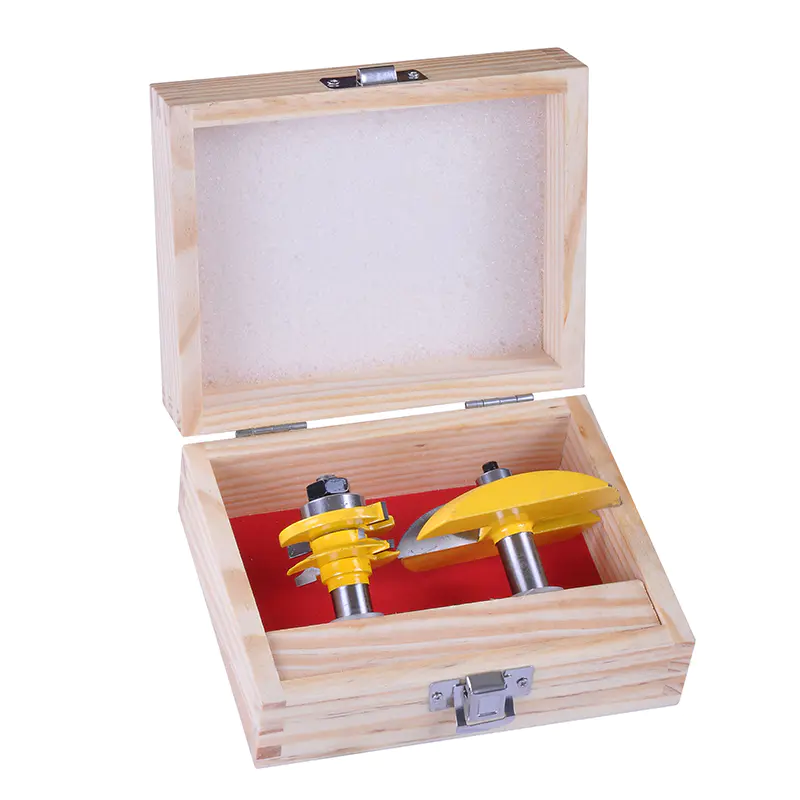
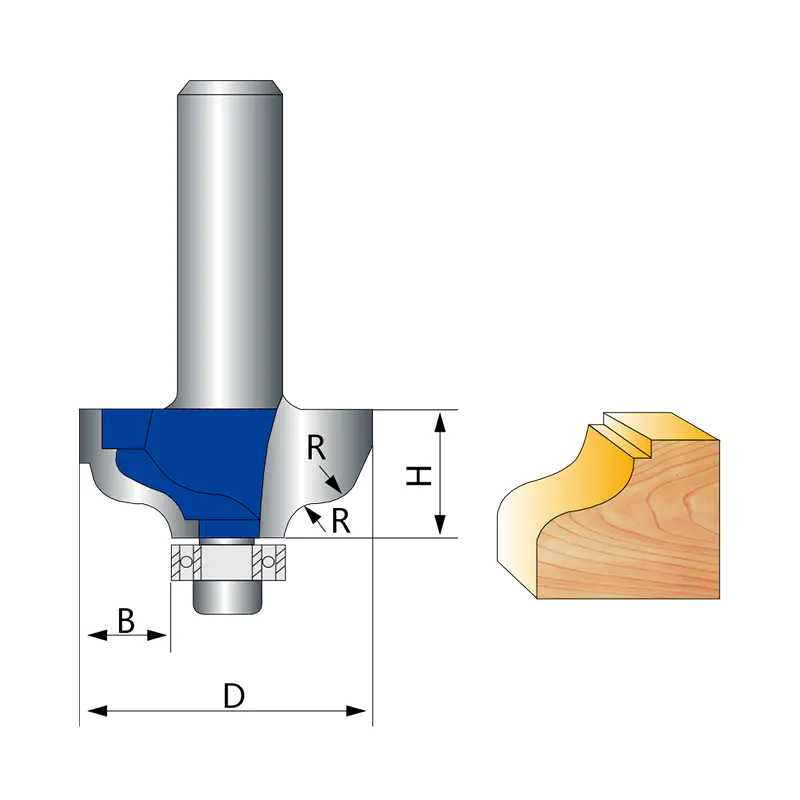
A decorative edge can change the character of a piece of wood without altering its overall design. On a cabinet door, tabletop, or length of molding, a shaped edge adds detail that a plain square cut cannot provide. The Classical Ogee Router Bit is made for this kind of work. Its cutting profile combines a concave curve with a convex one, forming the familiar S-shaped contour associated with traditional furniture and interior trim.
The result depends on more than the cutter itself. Bit dimensions, cutting condition, wood grain, and machine setup all affect the finished profile. Knowing how these factors work together makes it easier to choose and use the right tool.
Create a Distinctive S-Shaped Decorative Profile
An ogee edge has two curves that turn in opposite directions. Their transition gives the profile its characteristic shape and creates a gradual visual change from the flat face of the board to its edge.
You will often see this detail on cabinet doors, table edges, shelves, picture frames, furniture parts, and interior moldings. It suits traditional designs particularly well, though the final effect depends on the size of the profile and the proportions of the workpiece.
For repeated production, consistency becomes a practical concern. If several cabinet components need the same edge, the router depth, fence position, and feed rate must remain steady. Small changes in setup can make profiles look noticeably different once the pieces are assembled.
Improve Edge Quality and Profile Consistency
The condition and geometry of the cutter have a direct effect on the routed surface. A sharp cutting edge removes wood cleanly, including around the transition between the two curves. A dull or damaged edge may leave rough patches, tear-out, or burn marks.
The result also depends on how the tool is used:
Wood species make a difference as well. Softwood can tear where the grain changes direction, while dense hardwood usually places greater demands on the cutter and feed rate. A test cut on the actual material often reveals problems before they affect the finished pieces.
Select the Right Router Bit Specifications
Ogee bits come in different sizes and configurations. The dimensions need to suit both the router and the workpiece.
| Specification | What to check | Effect on woodworking |
|---|---|---|
| Shank diameter | Common sizes include 1/4 inch and 1/2 inch | Determines router compatibility |
| Cutting diameter | Overall cutter width | Affects profile size and material removal |
| Cutting height | Usable cutting depth | Determines the height of the decorative edge |
| Cutting material | Carbide or high-speed steel | Influences wear resistance and application |
| Bearing size | Bearing diameter and position | Guides edge profiling |
| Cutting-edge condition | Sharpness and surface finish | Affects smoothness and cutting accuracy |
Carbide-tipped bits are widely used in production work because carbide generally resists wear better than high-speed steel, particularly when machining dense or abrasive materials. Actual tool life still varies with the wood, cutting conditions, cutter quality, and maintenance.
Shank compatibility needs checking before installation. The shank must fit the router collet correctly; forcing an incompatible size into the collet can create a safety risk. Follow the router manufacturer's instructions when fitting and securing the bit.
Achieve Better Results Through Proper Setup
The way a cut is set up can be just as significant as the cutter specification. Secure the workpiece, make sure the bit is properly installed, and set the cutting depth before switching on the router.
There is rarely a need to remove all the material in one pass. With a deep profile or dense hardwood, several shallow passes put less strain on the cutter and make the cut easier to control. They can also reduce heat buildup and the chance of tearing the wood.
A router table and fence are useful when several matching components need to be processed. Handheld routing requires steady movement and a firm grip. In either case, make a trial cut on scrap from the same wood before routing the finished part.
Stay within the router and cutter manufacturers' speed limits. Eye and hearing protection should be worn, and dust extraction is useful when working through a batch of components. Keep hands clear of the cutter throughout the operation.
Use the Bit Across Different Decorative Applications
The ogee profile appears on a range of furniture and interior woodwork. Its appearance changes with the cutter size and the width of the material.
Common uses include:
Proportion is worth considering before choosing a cutter. A deep ogee on a narrow strip can look crowded, while a small profile may barely show on a large tabletop. The cutter should suit the dimensions of the piece rather than being selected on profile shape alone.
Maintain Cutting Performance and Extend Tool Life
Resin and packed wood dust can build up on a router bit during use. Clean the cutter with products intended for this purpose, following the manufacturer's guidance. Harsh cleaning methods may damage the cutting edges or protective coatings.
Inspect the bit for chipped edges, cracks, and signs of wear. Continuing to use a damaged cutter can affect profile consistency and create a safety hazard at high speed. Protective storage also matters, particularly when several cutters are kept together in a workshop drawer or tool cabinet.
Shops producing decorative parts in quantity may find it useful to keep inspection and replacement records. This makes it easier to spot declining cutter condition before differences start appearing across finished components.
Choose the Right Tool for Consistent Decorative Results
A Classical Ogee Router Bit produces the familiar S-shaped edge used on furniture and interior woodwork. Its suitability depends on the profile dimensions, shank size, cutting material, and condition of the edges. Even with the right bit, feed rate and setup will affect the finish.
For woodworking professionals and OEM buyers, dimensional accuracy, carbide quality, and supplier quality-control records are useful points of comparison. The cutter needs to match the workpiece and router, while regular inspection keeps its performance from changing unnoticed during production.
KEEP IN ToUCH

Rongcheng specializes in manufacturing and exporting wood planer bits, auger bits, shovel bits, spade bits, chisels, hammer bits and carbide, etc.
contact us
Address: Shangbutou, Qingjiang, Yueqing, Zhejiang, China
Tel: +86-577-62271200
FAX: +86-577-62276882
E-mail: [email protected]
Follow us

Carbide Hammer Drill Tools Manufacturer

 English
 русский
 Español
 中文简体