2026-04-17
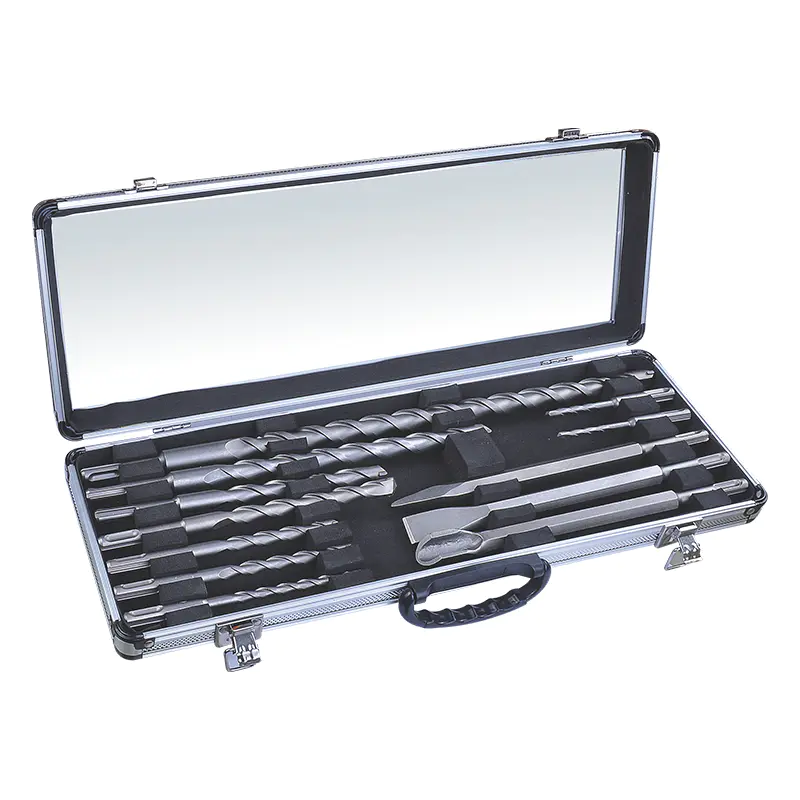
SDS Drill drill angled or chamfered holes? SDS Drill Factory designs have focused on versatility and precision, making these drills highly effective for a variety of drilling tasks, though certain limitations and techniques must be considered when attempting non-vertical holes.
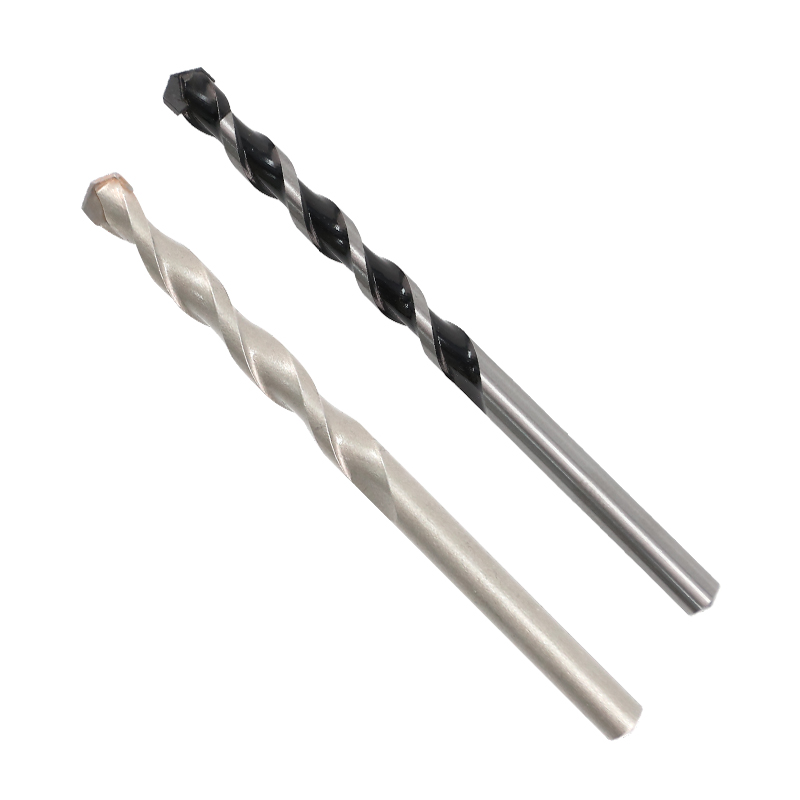
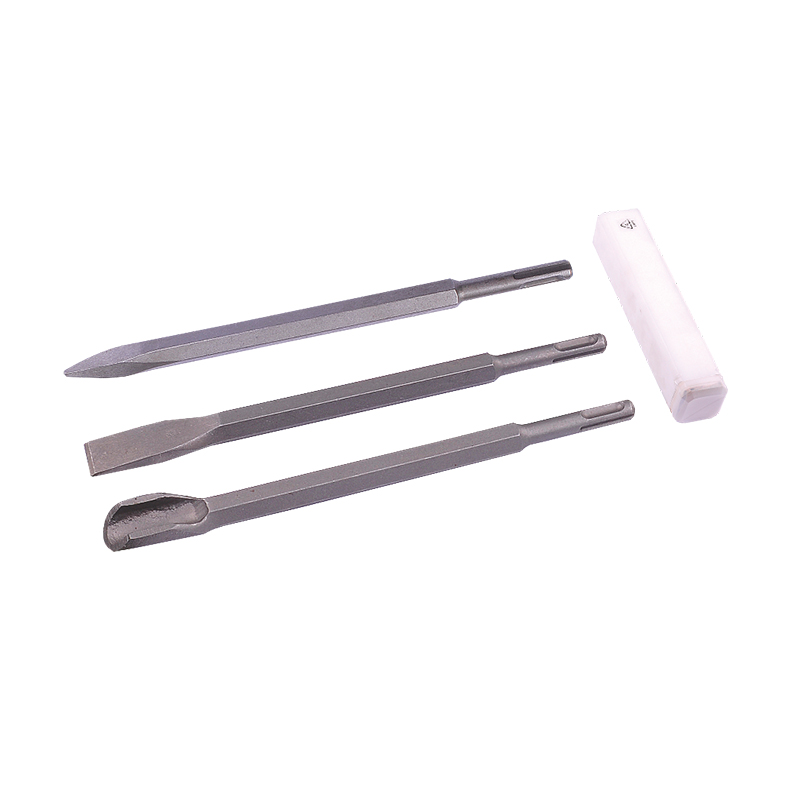
SDS drills use a specialized chuck system that allows the bit to move back and forth while rotating, delivering a hammering action that efficiently penetrates hard materials. Standard SDS drills are primarily designed for straight, vertical holes, which ensures impact and stability. The flutes on SDS drill bits are designed to remove debris efficiently, and the reinforced tips allow for continuous use without excessive wear. While the drill itself is robust, drilling at an angle or creating a chamfered edge requires careful technique and, in some cases, specialized bits. SDS Drill Factory innovations include accessories and bit variations that expand the drill’s functionality for more complex hole geometries.
Drilling an angled hole with an SDS drill is possible, but it presents challenges. The hammering action is effective when applied perpendicular to the material surface. When drilling at an angle, the impact force is partially diverted, which can reduce efficiency and precision. To achieve angled holes, users may need to use guide blocks or adjustable jigs to maintain a consistent angle and prevent the bit from wandering. Choosing the right SDS drill bit with a slightly tapered tip can also improve control and accuracy when drilling non-vertical holes.
Chamfered holes involve creating a beveled edge at the opening of the drilled hole. While SDS drills are not inherently designed for chamfering, it is achievable with certain techniques and accessories. Using a countersink attachment or a multi-purpose SDS bit with a flared tip can create a chamfered edge after the primary hole has been drilled. This approach ensures the structural integrity of the material while providing a clean, angled opening suitable for fasteners, anchors, or decorative purposes. SDS Drill Factory products often include recommendations for compatible bits and attachments that simplify the process.
While SDS drills can be adapted for angled or chamfered holes, several practical considerations must be kept in mind. Applying excessive force or using the wrong bit can cause damage to both the bit and the material. Maintaining steady control and using auxiliary guides can improve precision and reduce the risk of error. It is also important to ensure that the drill is set to the appropriate hammer or rotary mode based on the material being drilled. Following manufacturer guidelines and practices helps users improve efficiency and achieve consistent results.
SDS drills are primarily designed for straight, vertical holes, but with the right techniques and accessories, they can be used to drill angled or chamfered holes. The combination of specialized bit designs, guide systems, and careful handling allows users to extend the versatility of SDS drills. SDS Drill Factory developments continue to focus on expanding these capabilities, providing tools and accessories that help users achieve complex drilling tasks with precision.
KEEP IN ToUCH

Rongcheng specializes in manufacturing and exporting wood planer bits, auger bits, shovel bits, spade bits, chisels, hammer bits and carbide, etc.
contact us
Address: Shangbutou, Qingjiang, Yueqing, Zhejiang, China
Tel: +86-577-62271200
FAX: +86-577-62276882
E-mail: [email protected]
Follow us

Carbide Hammer Drill Tools Manufacturer

 English
 русский
 Español
 中文简体
中文简体