2025-08-01
Understanding the Causes of Overheating
Overheating is a common issue when using power tools, especially in demanding construction environments. An SDS Plus Hammer Drill, though built for heavy-duty tasks like drilling into concrete and masonry, can still become excessively hot if used improperly or for prolonged periods. Heat is generated through motor friction, mechanical resistance, and bit-to-material contact. If not managed, this heat buildup can damage internal components, reduce tool life, and compromise performance.
Use Proper Drilling Technique and Pressure
Applying excessive force during operation increases the load on the motor and gearbox, which accelerates heat generation. Instead of pushing hard, allow the tool’s hammering and rotation action to do the work. The SDS Plus Hammer Drill is designed to deliver impact energy efficiently, so user pressure is required. Maintaining steady, moderate pressure reduces friction and heat buildup at the drilling interface while protecting both the bit and the tool’s motor.
Allow for Intermittent Rest Periods
Continuous use without pauses is one of the common causes of overheating. It’s crucial to build in short rest intervals during extended drilling sessions. Giving the drill a brief break every few minutes allows the motor to cool and prevents heat from accumulating internally. This is particularly important when working in high-temperature environments or on large-scale drilling jobs where the tool may otherwise be under nonstop stress.
Monitor Bit Condition and Replace When Worn
A dull or damaged drill bit can dramatically increase resistance while drilling, causing the motor to work harder and generate more heat. Regularly inspecting the bit for signs of wear—such as flattened tips or chipped edges—can help prevent overheating. Replacing or sharpening worn bits not only improves drilling efficiency but also keeps the tool running cooler under load.
Avoid Using the Wrong Bit for the Material
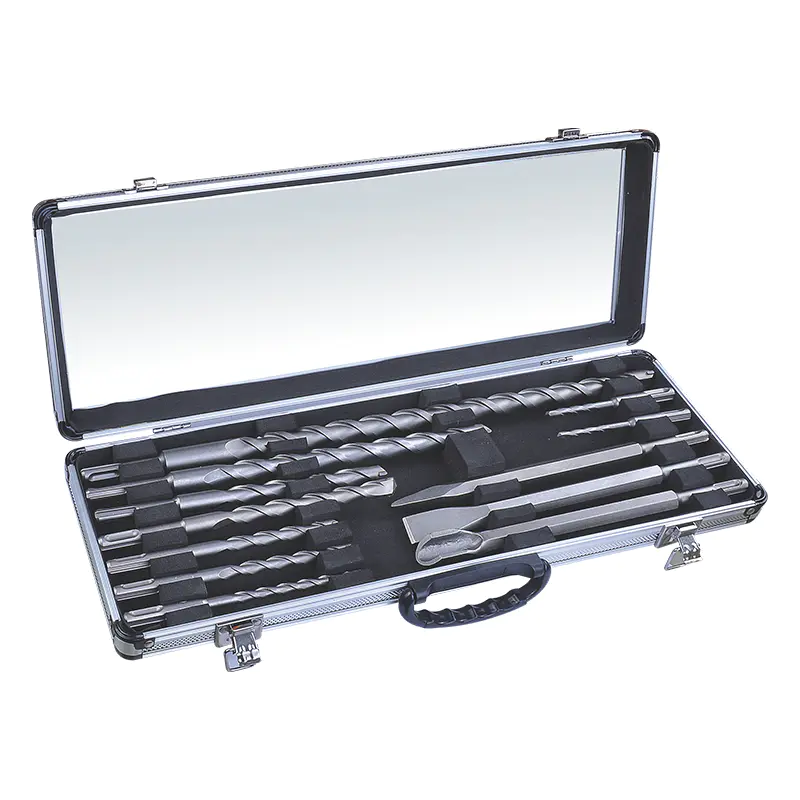
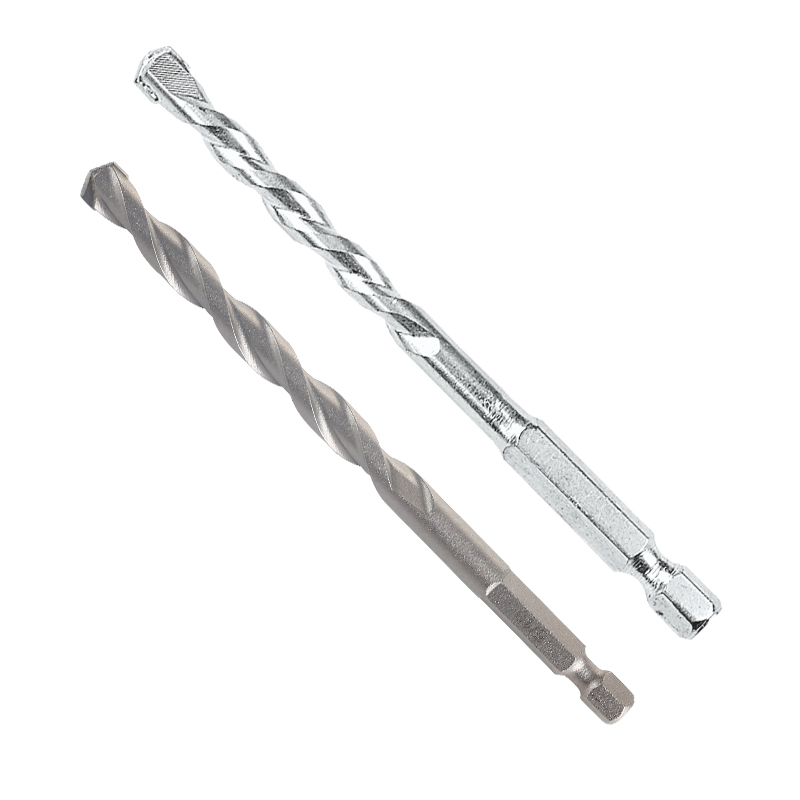
Using the incorrect type of bit for the target material increases friction and stress on the tool. The SDS Plus Hammer Drill should be paired with bits specifically designed for masonry, stone, or concrete. Attempting to drill through steel or hard tile with a masonry bit will generate excess heat and potentially damage both the bit and the tool. Always match the bit type and size to the intended material for suitable performance and temperature control.
Keep Air Vents Clean and Unobstructed
Proper ventilation is essential for maintaining a cool operating temperature. Dust and debris can clog the tool’s cooling vents, restricting airflow and causing the motor to overheat. Regularly check and clean the air intake and exhaust vents using compressed air or a soft brush. Ensuring that these vents are clear improves air circulation and supports efficient internal cooling during use.
Use Lower Speeds When Appropriate
Many SDS Plus Hammer Drills feature variable speed controls. For less demanding tasks or when working with softer materials, using a lower speed setting can help reduce the heat generated by both the motor and the bit. Operating at speed unnecessarily not only risks overheating but also accelerates tool wear. Adjusting the speed to suit the task can enhance longevity and keep the drill operating at a safe temperature.
Use Auxiliary Cooling Methods if Needed
In particularly hot or demanding working conditions, additional cooling strategies may be necessary. This can include using external fans to direct airflow over the tool during breaks, or even rotating between two drills to allow each one to cool down. In extreme cases, especially on construction sites, water-cooled drilling systems or misting attachments can be used with compatible bits to decrease heat buildup at the drilling surface.
Conclusion: Proactive Use and Maintenance Prevents Overheating
To prevent overheating of an SDS Plus Hammer Drill, users must focus on proper operation, regular maintenance, and thoughtful workload management. From using the right bit and applying correct pressure to allowing cooling intervals and ensuring clean ventilation, these strategies help maintain tool performance and extend its working life. By following these practical steps, professionals and DIY users alike can improve productivity while keeping their equipment safe and cool.
KEEP IN ToUCH

Rongcheng specializes in manufacturing and exporting wood planer bits, auger bits, shovel bits, spade bits, chisels, hammer bits and carbide, etc.
contact us
Address: Shangbutou, Qingjiang, Yueqing, Zhejiang, China
Tel: +86-577-62271200
FAX: +86-577-62276882
E-mail: [email protected]
Follow us

Carbide Hammer Drill Tools Manufacturer

 English
 русский
 Español
 中文简体
中文简体